
Roman Mythology
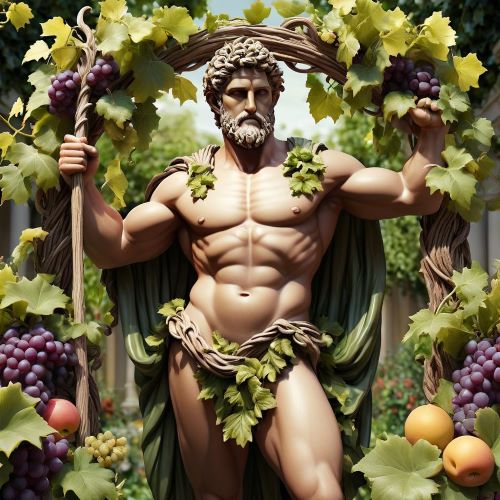
Roman mythology represents the spiritual, political, and cultural backbone of ancient Rome, shaping how its people understood the world, their city, and their destiny as an empire. Unlike mythologies rooted primarily in cosmic drama, Roman myths were deeply practical. They were woven into governance, law, warfare, agriculture, and family life, reflecting Rome’s belief that divine order and civic order were inseparable. The gods were not distant storytale figures but active forces believed to protect the state, households, and social institutions.
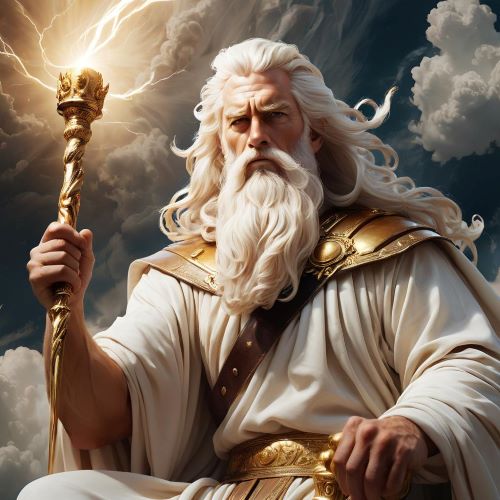
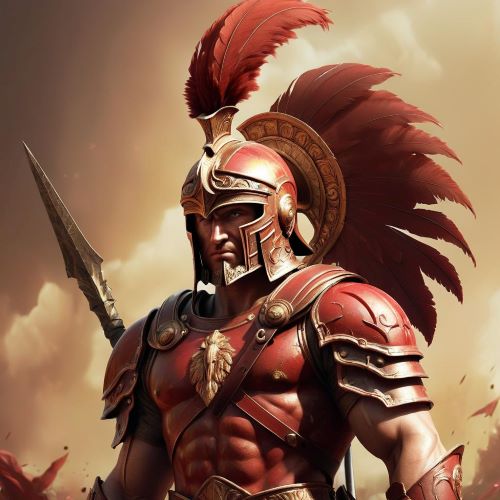
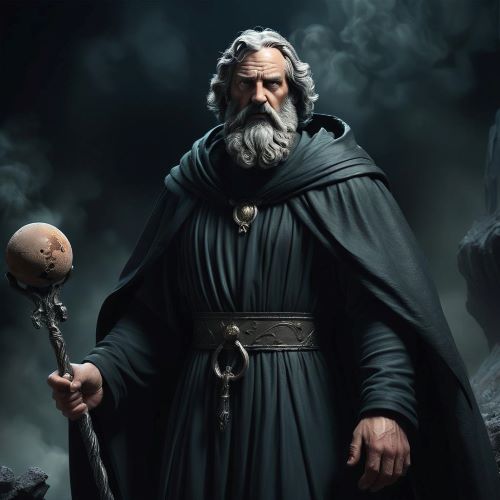
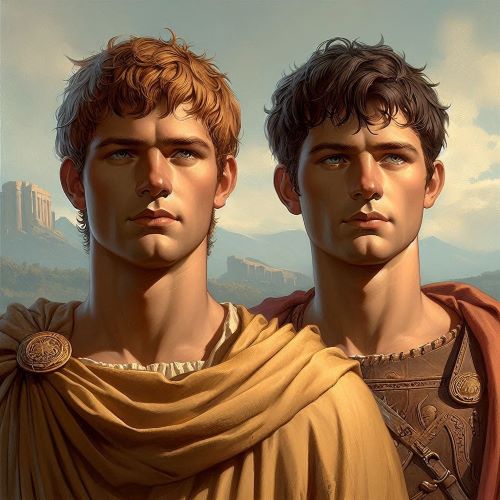
At the heart of Roman mythology stood powerful state deities such as Jupiter, Mars, and Juno, who embodied authority, warfare, and social harmony. Jupiter ruled as the divine guarantor of law and sovereignty, while Mars was revered not just as a war god but as a guardian of Rome’s survival and expansion. Roman heroes like Romulus, the city’s legendary founder, were celebrated less for personal glory and more for exemplifying duty, sacrifice, and loyalty to the state. These values—virtus, pietas, and disciplina—formed the moral spine of Roman mythic thought.
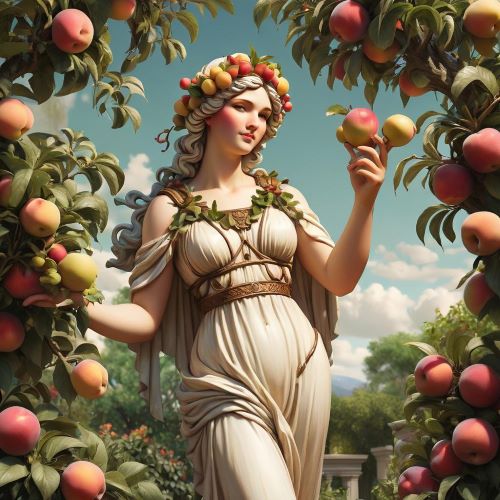
Roman mythology also extended into everyday domestic life through household spirits such as the Lares, Penates, and the genius. These beings protected homes, families, and ancestral lines, reinforcing the idea that the divine was present in even the smallest aspects of daily existence. Rituals, offerings, and festivals were meticulously observed, as maintaining harmony with the gods was believed to ensure prosperity and stability for both family and empire.
While Roman mythology absorbed and adapted many elements from Greek traditions, it reshaped them to reflect Roman priorities. Greek gods were reinterpreted through a Roman lens, stripped of excess chaos and aligned with order, law, and civic responsibility. This adaptability allowed Roman mythology to evolve alongside the empire, incorporating foreign deities and regional beliefs while maintaining a strong core identity.
Today, Roman mythology remains influential in language, politics, architecture, literature, and popular culture. Its gods and symbols continue to represent power, justice, war, and governance, echoing Rome’s enduring legacy. By exploring Roman mythology, we gain insight into how one civilization used myth not just to explain the universe, but to build and sustain one of history’s greatest empires.