

El Sombrerón : The Shadowy Suitor
| Description | |
|---|---|
| Origin | Guatemala |
| Classification | Humanoid |
| Demeanour | Evil |
| Habitat | Towns |
| Status | Not Proved |
Introduction
In the heart of Guatemalan folklore, few characters command as much intrigue as El Sombrerón. This mysterious figure is a blend of charm and menace, remembered in countless legends as both a captivating serenader and a sinister tormentor. The legend dates back to the colonial period, when Spanish beliefs intertwined with ancient Mayan traditions, giving rise to this hybrid myth. He is often imagined as a supernatural suitor who pursues young women, leaving behind fear, fascination, and cautionary lessons about vanity and forbidden desire. El Sombrerón continues to thrive in the cultural imagination of Guatemala, not just as a ghost story but as a reflection of deeper values, anxieties, and traditions.
Physical Attributes
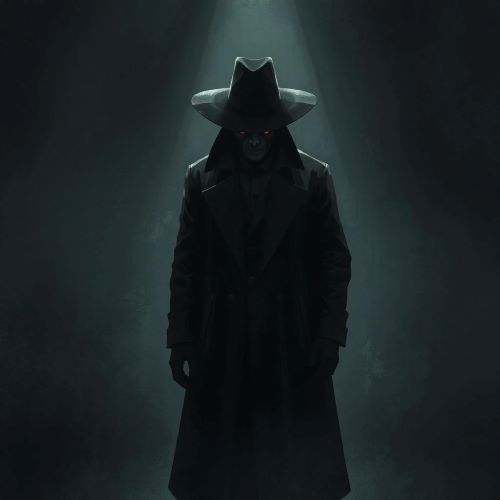
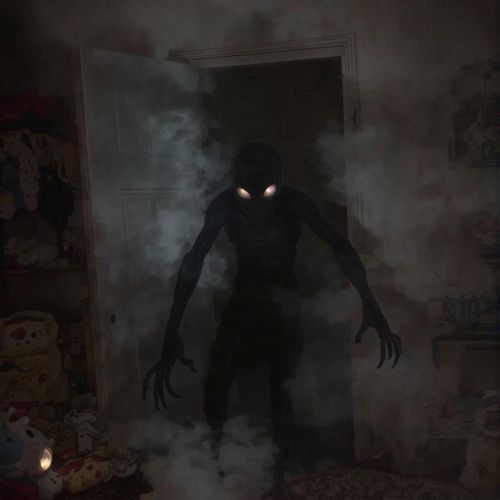
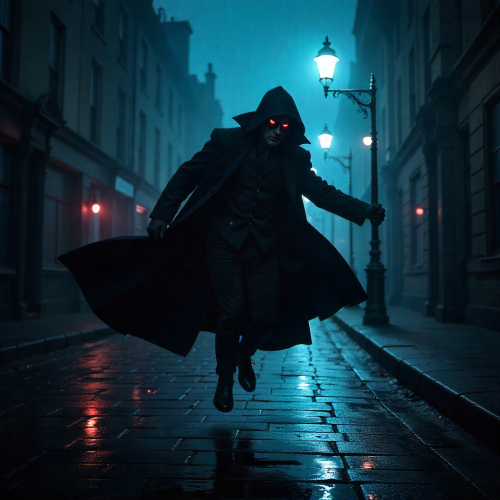
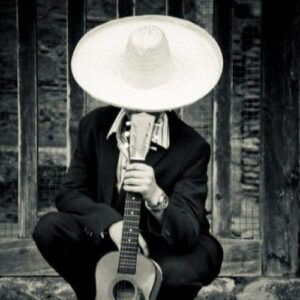
El Sombrerón’s appearance is one of the most striking features of the legend. He is described as unusually short, often the size of a child, yet he carries an air of authority that makes him impossible to ignore. His defining trait is the massive black sombrero that hides much of his face, giving him both mystery and power. Dressed entirely in black, he often wears boots and a wide belt, sometimes adorned with bells that chime eerily in the night. Many tales emphasize his piercing eyes, which seem to hypnotize those who look into them. In some versions, he carries a silver guitar, which he uses to weave spells through music. Animals frequently accompany him—spectral mules or dogs that add to his unsettling presence. Beyond the clothing, his chilling habit of braiding his victims’ hair while they sleep is a calling card, a physical reminder of his haunting visits.
First Sighting/Reporting
The earliest accounts of El Sombrerón emerged in colonial Guatemala, particularly in the highlands around Antigua and Quetzaltenango. These regions became fertile ground for blending Spanish supernatural lore with indigenous Mayan spirituality. Oral tradition kept the story alive long before it was written down, and each retelling added new dimensions. One famous case from Antigua tells of a young girl named Susana, who fell under the spell of a man with an oversized hat. He would appear at her window every night, strumming his guitar until she wasted away from sleeplessness and hunger. By the time folklorists began documenting the story in the 20th century, versions of El Sombrerón were already well established across the country. His legend was not confined to Guatemala either; similar tales cropped up in neighboring Latin American cultures, reinforcing his role as a regional spirit of warning and temptation.
Other Names
While most people know him simply as El Sombrerón, the character takes on different names in different communities. In some Guatemalan regions, he is called Tzipitio or Tzizimite, names that carry echoes of indigenous language and symbolism. Elsewhere, he is described as the goblin or even linked to diabolical figures. In Mexican folklore, a comparable figure is remembered as El Viejo del Sombrerón, “the Old Man with the Big Hat.” These variations show how the myth has shifted across cultures and languages, adapting to local fears and traditions while maintaining the central imagery of the mysterious man with the wide-brimmed hat. Each name reflects not only linguistic differences but also how communities shape legends to suit their worldview.
Modus Operandi
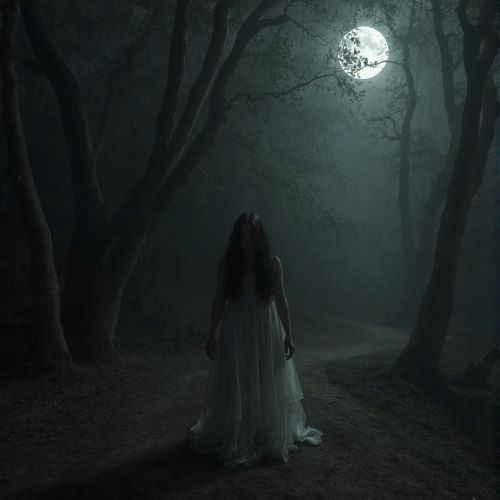
The stories of El Sombrerón share a consistent pattern of behavior that reveals his role as both seducer and tormentor. He appears almost exclusively at night, often under a full moon, when the air grows strangely still. His preferred victims are young women with long, dark hair and large, expressive eyes—symbols of beauty and innocence in traditional Guatemalan society. He enchants them with soft guitar melodies, lulling them into a trance that makes them lose interest in eating, sleeping, or interacting with others. The braiding of their hair is both a signature and a curse, leaving them exhausted and weakened. In darker versions of the tale, he forces victims to eat soil or stones, a grim metaphor for spiritual emptiness. Families desperate to protect their daughters often resort to cutting their hair short, a symbolic act of breaking his spell. In every variation, El Sombrerón embodies the danger of unchecked desire and the peril of yielding to temptation.
Pop Culture References
The story of El Sombrerón has leapt beyond oral storytelling into books, plays, and films, ensuring his legend remains alive for new generations. Nobel Prize–winning Guatemalan writer Miguel Ángel Asturias included him in Leyendas de Guatemala, where the spirit is reimagined as part of the nation’s cultural identity. Traditional puppet theater frequently dramatizes his visits, turning a frightening legend into entertainment that also serves as a moral lesson. Folk songs dedicated to El Sombrerón have been sung for decades, warning young girls against the charms of strangers. More recently, his image has appeared in short films and animated projects that explore Latin American myths, often placing him alongside other legendary figures like La Llorona and El Cadejo. In each retelling, he is portrayed as both alluring and dangerous, a figure who thrives in the tension between romance and fear.
Current Status
In modern Guatemala, El Sombrerón is more than a ghost story—he is part of cultural heritage. Schools teach his legend as part of folklore studies, ensuring that children grow up knowing about him just as earlier generations did. Festivals such as Antigua’s Festival de Leyendas include performances and reenactments of his tale, turning a once frightening figure into a cultural icon. Tourism has also embraced him, with ghost tours and folklore museums featuring his story to attract visitors interested in Guatemala’s mystical traditions. On social media, digital storytellers and illustrators are reimagining him in comics, animations, and short films, giving him a new life in the virtual world. Although belief in his literal existence has faded, the figure of El Sombrerón continues to resonate, embodying themes of seduction, mystery, and the ever-present battle between desire and caution.



Source
Asturias, M. A. (1930). Leyendas de Guatemala. Fondo de Cultura Económica. https://www.fondodeculturaeconomica.com/Leyendas-de-Guatemala
Instituto de Antropología e Historia de Guatemala. (n.d.). El Sombrerón: Mitos y leyendas. https://inah.gob.gt/leyendas/el-sombreron
Pérez, R. (2015). Folklore guatemalteco: Tradiciones y leyendas. Editorial Piedra Santa. https://editorialpiedrasanta.com/producto/folklore-guatemalteco
López, J. (2021). “El Sombrerón: Entre el amor y el espanto.” Revista Cultura, 45(2), 34–41. https://revistacultura.gt/el-sombreron-amor-y-espanto
Museo Nacional de Historia. (2023). Exposición de leyendas guatemaltecas. https://museohistoria.gt/exposiciones/leyendas