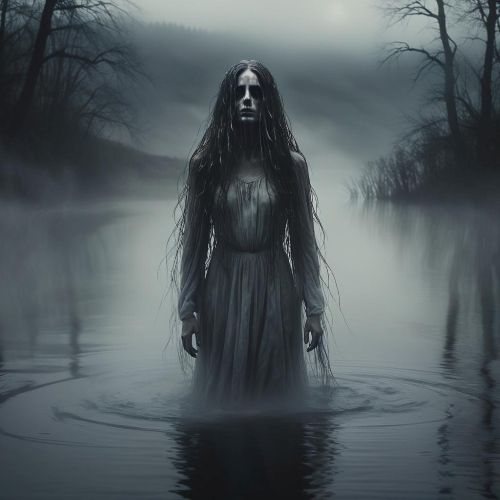


Dalgyal Gwishin : Korea’s Faceless Ghost of Death
Listen
At a glance
| Description | |
|---|---|
| Origin | Korean Mythology |
| Classification | Ghosts |
| Family Members | N/A |
| Region | South Korea |
| Associated With | Death |
Dalgyal Gwishin
Introduction
In Korean folk belief, ghosts are not merely frightful apparitions but reflections of unresolved human emotions, social obligations, and spiritual imbalance. Among these spirits, the Dalgyal Gwishin, literally translated as the “Egg Ghost,” is one of the most disturbing figures in Korean ghost lore. Unlike vengeful spirits driven by rage or sorrow, Dalgyal Gwishin represents something far more unsettling: total erasure of identity. Its faceless, nameless form embodies the fear of dying without recognition, memory, or descendants. Within traditional belief systems that place immense importance on ancestral continuity and remembrance, Dalgyal Gwishin stands as a chilling reminder of what happens when a soul slips entirely outside the social and spiritual order.
Physical Traits
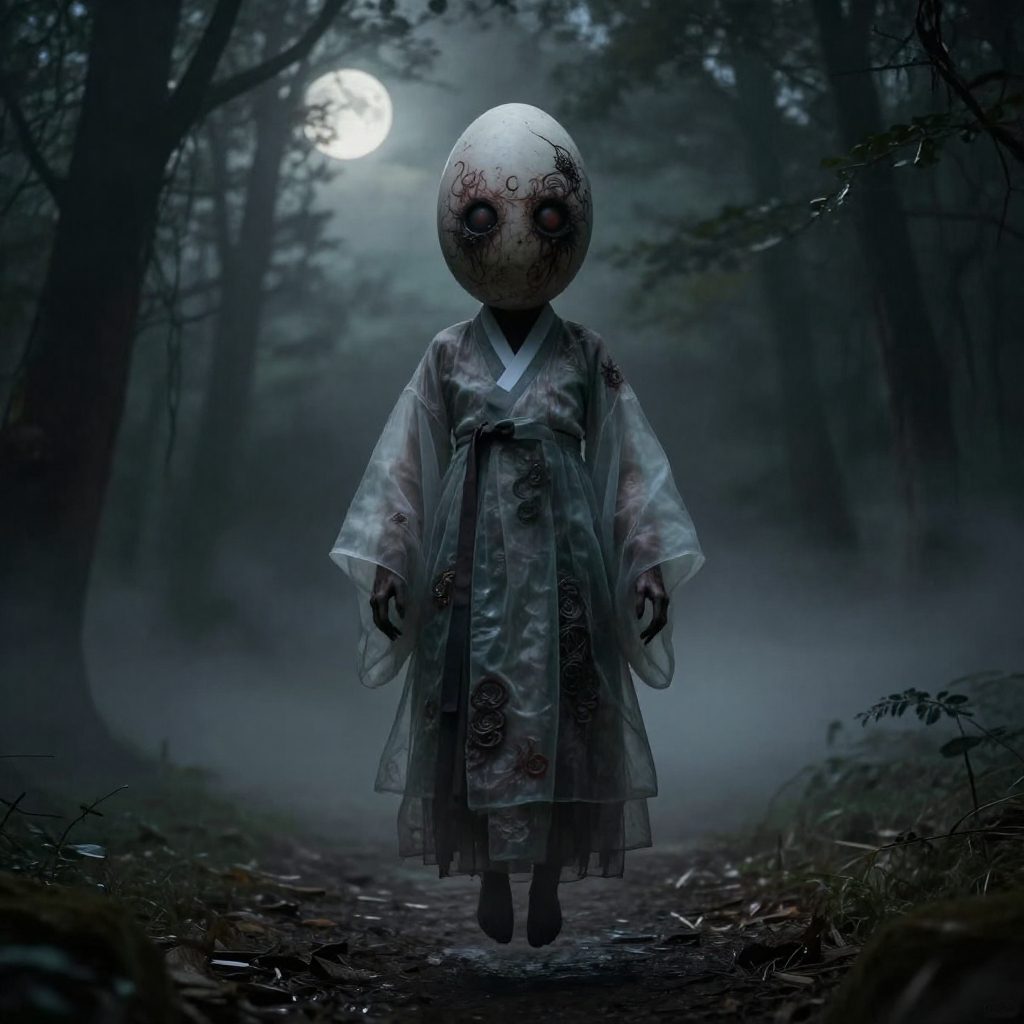
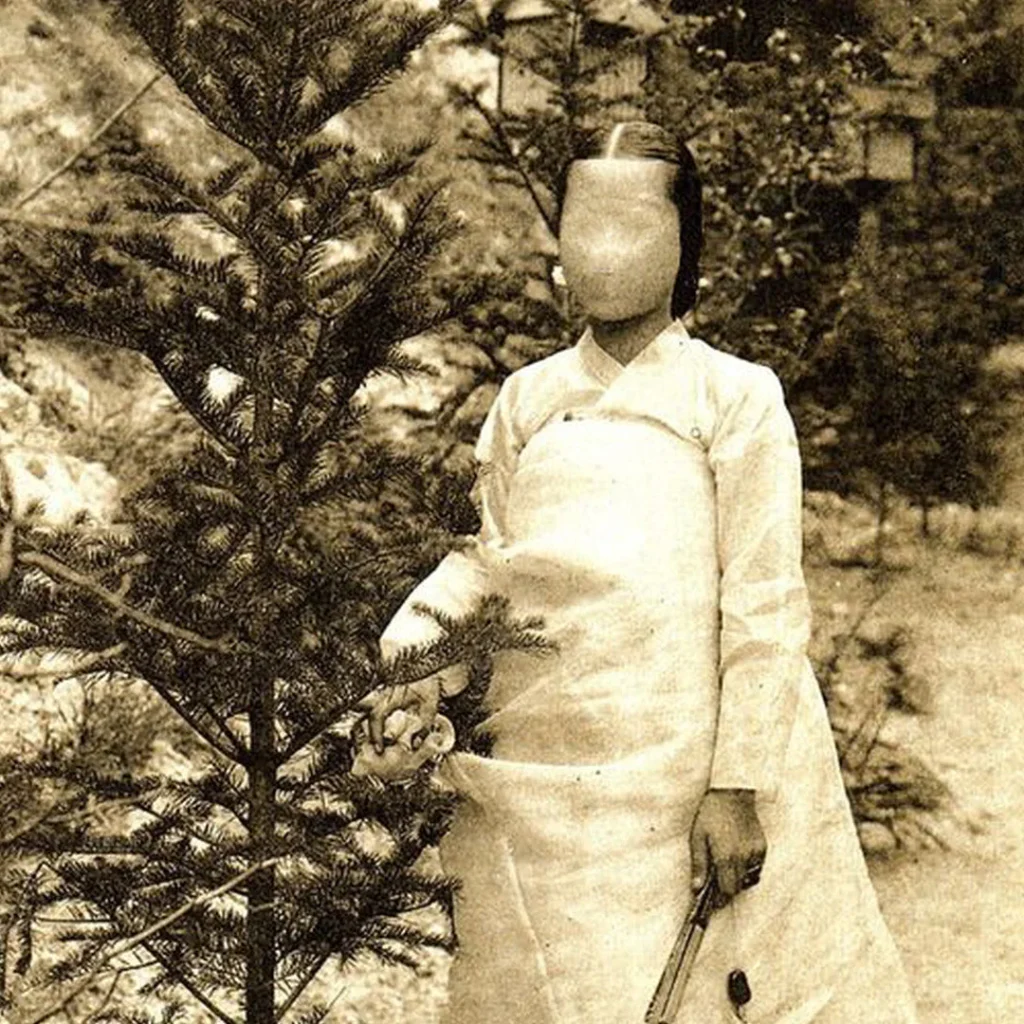
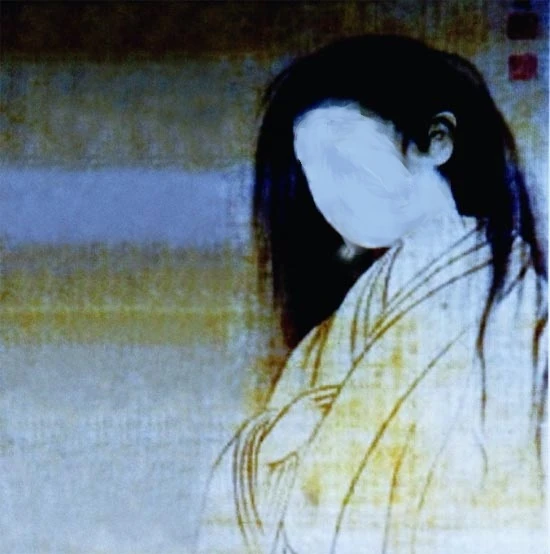
The Dalgyal Gwishin is defined by its most horrifying characteristic: the complete absence of facial features. Its head is smooth and oval, resembling an unmarked egg, devoid of eyes, nose, mouth, or expression. Unlike other Korean ghosts that retain traces of their former humanity, Dalgyal Gwishin offers nothing familiar to connect with. Its body, when described at all, is vague and indistinct, often pale, translucent, or shrouded in mist, giving the impression that the spirit itself is unfinished. This featurelessness is not simply grotesque imagery but a symbolic manifestation of a soul stripped of identity, memory, and social presence. The inability to meet its gaze or read emotion intensifies the terror, as witnesses confront something that was once human yet now entirely unrecognisable.
Family
Dalgyal Gwishin is closely associated with the concept of mujagui, or “childless ghosts,” spirits of individuals who died without descendants to perform ancestral rites. In Korean tradition, ancestral memorials are essential for maintaining harmony between the living and the dead. A soul without family remembrance is believed to wander endlessly, unable to rest or reintegrate into the spiritual hierarchy. Dalgyal Gwishin is therefore not linked to a bloodline or spiritual household but exists as an isolated being, severed from both kinship and ritual continuity. Its condition reflects a deeply rooted cultural anxiety surrounding lineage, remembrance, and the fear of vanishing without trace.
Other names
The term Dalgyal Gwishin is the most widely recognised name for this entity, combining dalgyal (egg) and gwishin (ghost). In broader folklore discussions, it is occasionally referred to as a faceless ghost or grouped under featureless spirit categories within gwishin lore. While regional variations exist in how Korean ghosts are classified, Dalgyal Gwishin remains distinct due to its absolute lack of facial identity rather than partial disfigurement or concealment. English-language sources consistently translate the name as “Egg Ghost,” preserving its unsettling visual symbolism.
Powers and Abilities
Dalgyal Gwishin does not rely on violence or pursuit to instil fear. Its power lies entirely in its presence. Folklore repeatedly warns that seeing a Dalgyal Gwishin foretells imminent death, either immediately or soon after the encounter. This makes the ghost an omen rather than an attacker, embodying inevitable fate rather than deliberate malice. Some traditions suggest it can disguise itself as an ordinary egg to remain unnoticed until it chooses to reveal itself, reinforcing its association with deception and sudden revelation. Unlike spirits that haunt specific victims or seek revenge, Dalgyal Gwishin appears indifferent, functioning as a supernatural manifestation of oblivion itself.
Modern Day Influence
In modern Korean culture, Dalgyal Gwishin continues to appear in horror films, webtoons, television dramas, and digital folklore communities. Its minimalist design translates effectively into contemporary horror, where fear is often driven by psychological discomfort rather than gore. The faceless ghost has also been reinterpreted as a metaphor for modern alienation, forgotten individuals, and identity loss in highly urbanised and digital societies. As Korean horror gains global attention, Dalgyal Gwishin has found renewed relevance, resonating with audiences who recognise the terror of anonymity and erasure beyond cultural boundaries.
Related Images



Source
Encyclopædia Britannica. (2020). Korean folklore: Ghosts and spirits. In Asian mythology (pp. 145-162). Academic Press.
Kim, H. (2015). Gwishin: Ghosts of Korea. Seoul National University Press.
Lee, J. (2021). Egg ghost. Wine and a K-Drama. https://www.wineandakdrama.com/blog/2021/6/15/egg-ghost
Opperman, M. (2012). Behind the myth: Korean ghosts. Gwangju News. https://gwangjunewsgic.com/arts-culture/korean-myths/behind-the-myth-korean-ghosts/
Peterson, M. A. (2009). Gwisin. In Wikipedia. https://en.wikipedia.org/wiki/Gwisin
The Soul of Seoul. (2024, March 28). 5 Korean Ghosts and Creatures To Be Scared Of. Retrieved from https://thesoulofseoul.net/korean-ghosts-and-creatures-to-be-scared-of/
Kendall, L. (1985). Shamans, Housewives, and Other Restless Spirits: Women in Korean Ritual Life. University of Hawaii Press.
Choi, G. J. (2009). Korean Folklore and Ghost Stories. Seoul National University Press.
Kim, T. H. (2012). Specters of Tradition: Ghosts in Korean Mythology. Journal of Korean Studies, 17(2), 45–67.
Rhi, J. H. (1998). Death and the Afterlife in Korean Culture. Asian Folklore Studies, 57(1), 23–48.
Nelson, S. (2000). Korean Shamanism: The Cultural Paradox. Routledge.
Frequently Asked Questions
What is Dalgyal Gwishin in Korean folklore?
Dalgyal Gwishin is a faceless ghost believed to represent souls that died without identity, descendants, or remembrance, often acting as an omen of death.
Why is Dalgyal Gwishin called the Egg Ghost?
Its name comes from its smooth, oval, egg-like head that lacks any facial features, symbolising complete erasure of identity.
Is Dalgyal Gwishin considered evil?
Dalgyal Gwishin is not actively malicious but is feared because seeing it is believed to result in death.
Is Dalgyal Gwishin linked to mujagui spirits?
Yes, it is often associated with mujagui, spirits of the dead who lack descendants to perform ancestral rites.
Does Dalgyal Gwishin appear in modern media?
Yes, it frequently appears in Korean horror films, webtoons, and folklore discussions as a symbol of faceless terror and anonymity.