
10 Korean Mythology Shows Inspired by Gods, Spirits, and Folklore
Korean television has become globally influential not just for romance and thrillers, but for its imaginative reinterpretation of ancient belief systems. Rooted in shamanism, folklore, Buddhist cosmology, and indigenous legends, Korean mythology provides fertile ground for storytelling. Over the last two decades, creators have drawn from these traditions to craft visually stunning, emotionally layered narratives that blend gods, spirits, grim reapers, monsters, and reincarnation with modern themes. This article explores the most notable Korean Mythology Shows, highlighting how each series reimagines traditional myths for contemporary audiences.
Goblin (Guardian: The Lonely and Great God)
Often considered the gateway drama into Korean myth-based storytelling, Goblin draws heavily from Korean folklore surrounding immortal beings, fate, and karmic punishment. The central figure is a dokkaebi, a supernatural entity from Korean legend often translated as a goblin but closer in nature to a cursed spirit. The show weaves themes of reincarnation, divine punishment, and destiny, presenting immortality not as a gift but as an existential burden. Its mythological core lies in the concept of unfinished karma, a recurring idea in Korean spiritual traditions.
The Tale of the Nine-Tailed
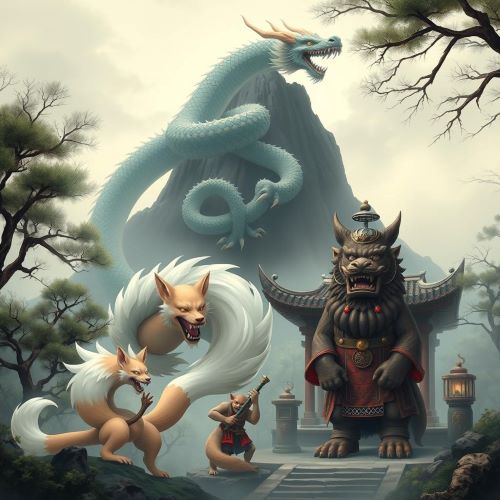
This series is a direct adaptation of the gumiho legend, a nine-tailed fox spirit capable of transformation. Unlike earlier portrayals that leaned into horror, this show reframes the gumiho as a tragic guardian figure navigating love, loss, and moral duty. Drawing from folklore that portrays fox spirits as liminal beings between worlds, the drama explores ideas of reincarnation, sacred mountains, and spirit bureaucracy, making it one of the clearest examples of Korean mythology translated to screen.
Arthdal Chronicles
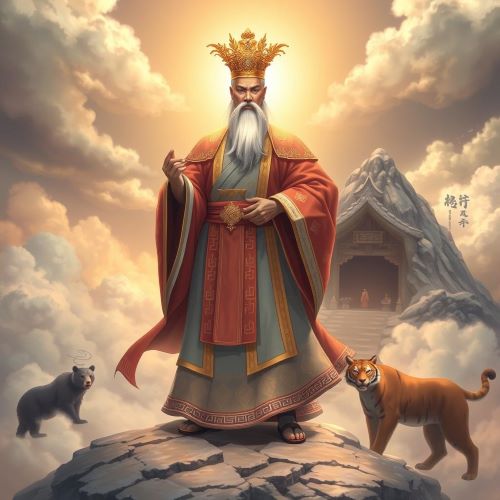
Arthdal Chronicles stands apart for its mythopoeic ambition. Rather than adapting a single folktale, it constructs an entire mythological civilization inspired by early Korean creation myths, shamanistic cosmology, and tribal legends. The narrative echoes themes found in Dangun mythology, including divine descent, sacred bloodlines, and the tension between gods and humans. This epic approach positions the series as a rare example of original myth-building rooted in Korean cultural memory.
Black
In Black, Korean mythology surfaces through the figure of the grim reaper, a being deeply embedded in Korean folk belief as a guide for souls transitioning to the afterlife. The show blends procedural crime with metaphysical horror, exploring fate, predestination, and moral consequence. Grim reapers in Korean tradition are not evil but bureaucratic agents of cosmic order, a concept the series uses to interrogate justice beyond human law.
Bride of the Water God (Habaek)
Based on a manhwa inspired by Korean water deity legends, this show introduces Habaek, a god ruling the divine realm. Water gods occupy a central place in Korean mythology, symbolizing fertility, chaos, and transition. While the drama modernizes its setting, its foundation lies in myths of divine kingship, sacred rivers, and the fragile balance between the human and celestial worlds.
Hotel Del Luna
This visually striking series draws from Korean ghost lore and beliefs about liminal spaces between life and death. The hotel itself functions as a purgatorial waystation for restless spirits, echoing traditional beliefs about unresolved souls. The immortal owner embodies the mythic theme of punishment through extended existence, a concept found in both shamanistic and Buddhist traditions within Korea.
Alchemy of Souls
Although set in a fictional land, Alchemy of Souls borrows extensively from Korean spiritual ideas about soul transference, forbidden rituals, and elemental balance. The manipulation of souls reflects anxieties present in Korean folk beliefs about disturbing the natural order. The show’s magic system, while fantastical, mirrors mythological concerns about harmony, moral restraint, and cosmic consequence.
Bulgasal: Immortal Souls
At the heart of this series is the bulgasal, an immortal creature from Korean legend associated with curses and bloodshed. The drama explores reincarnation, vengeance, and cyclical suffering, drawing directly from mythological fears surrounding immortality without spiritual resolution. It presents myth not as fantasy, but as inherited trauma repeating across lifetimes.
A Korean Odyssey
Inspired by the Chinese epic Journey to the West, this show reinterprets the story through a Korean mythological lens. Gods, demons, and spirits coexist with humans, reflecting Korea’s long history of absorbing and transforming external mythic frameworks. The series highlights how Korean mythology often functions as a living system, adaptable rather than fixed.
Why Korean Mythology Shows Resonate Globally
The enduring appeal of Korean mythology shows lies in their ability to humanize the divine and mythologize the human. Rather than presenting gods as distant absolutes, these narratives explore guilt, love, memory, and consequence through supernatural frameworks. For global audiences, they offer both cultural specificity and universal emotional truths, making Korean mythology accessible without diluting its depth.
No posts were found.