

Bari Gongju : The Korean Goddess of Healing and the Afterlife
Listen
At a glance
| Description | |
|---|---|
| Origin | Korean Mythology |
| Classification | Gods |
| Family Members | N/A |
| Region | South Korea |
| Associated With | Healing, Afterlife |
Bari Gongju
Introduction
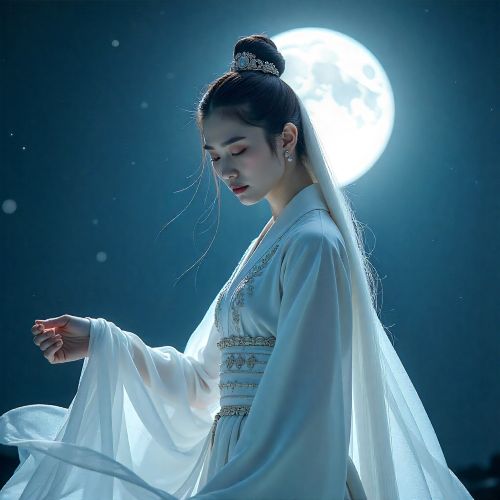
Bari Gongju, or Princess Bari, is one of the most enduring and emotionally powerful figures in Korean mythology, celebrated for her extraordinary journey from abandonment to divinity. Rooted in the shamanic tradition of gut rituals, her myth is preserved through Barigongju Bonpuri, a narrative recited by mansin (shamans) throughout Korea. At its heart, the story explores the themes of filial piety, endurance, and spiritual awakening. Born as the seventh daughter to royal parents who desperately desired a son, Bari Gongju is discarded shortly after birth—yet this act of rejection becomes the catalyst for her transformation into Korea’s goddess of the afterlife and healing. Her journey across oceans, mountains, and the realm of the dead reflects the cultural values of loyalty and sacrifice, while her elevation to divine status reinforces the belief that suffering, when met with compassion, can lead to transcendence. Today, the myth of Bari Gongju continues to resonate in religious rituals, literature, and modern reinterpretations, cementing her place as a cornerstone of Korean cultural identity.
Physical Traits
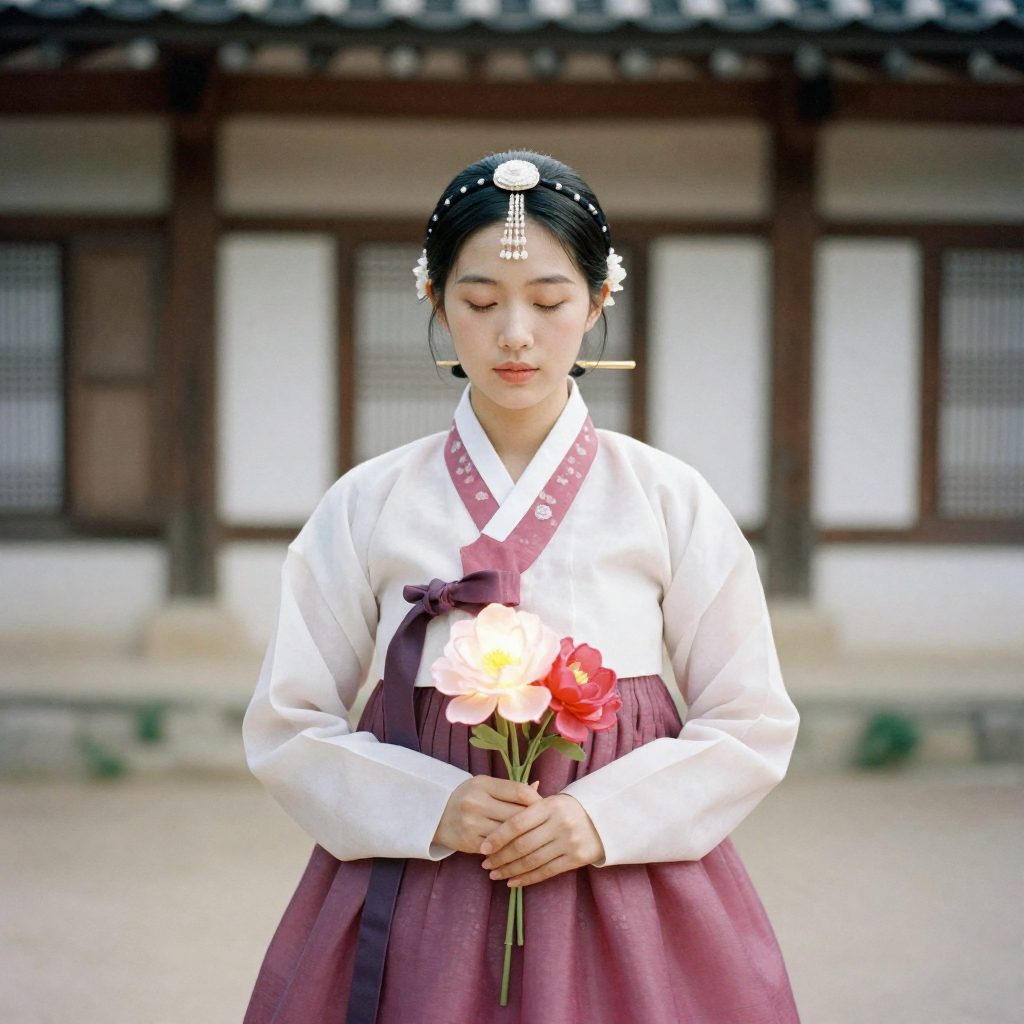
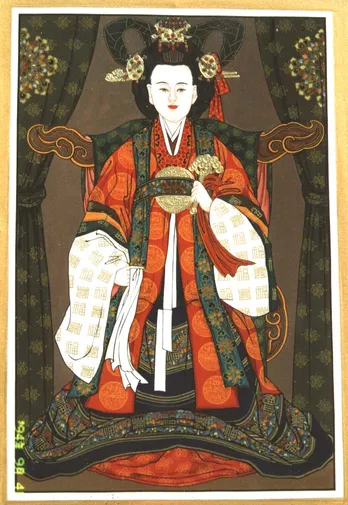
Traditional oral narratives rarely dwell on the physical appearance of Bari Gongju, focusing instead on her symbolic transformation from an abandoned infant into a figure of spiritual resilience. Early versions describe her as a baby placed inside a box and left in the wilderness, sometimes accompanied by protective signs such as insects or a serpent—motifs that hint at divine destiny rather than misfortune. As she grows, descriptions emphasize her determination rather than beauty; she dresses in simple garments suited for her arduous travels and, in several versions, adopts male attire to overcome societal barriers. Her later depictions as a goddess highlight the spiritual items she carries, such as life-giving flowers or ritual objects, underscoring her role as a psychopomp rather than focusing on divine glamour. Her physicality—grounded, human, and unornamented—reinforces her function as a relatable figure who earns power through perseverance rather than birthright.
Family
The emotional core of Bari Gongju’s myth is shaped by her complex family relationships. Born the seventh daughter to a royal couple longing for a son, she is abandoned out of disappointment, a decision that underscores societal pressures surrounding succession and gender roles during the era the myth reflects. Rescued and raised by a humble elderly couple, she grows up unaware of her lineage until destiny intervenes. When her biological parents fall gravely ill and require a rare elixir from the Western Heaven, she is the only one willing to undertake the life-threatening quest. This act of compassion redefines her relationship with her birth family, revealing a profound sense of duty that transcends past wrongs. In some versions, she marries a guardian spirit encountered during her journey and bears numerous sons who later rule various spiritual realms. Her dual family lineage—mortal and divine—symbolises the reconciliation of human suffering with cosmic purpose.
Other names
Bari Gongju appears under multiple names and titles across Korea, each capturing a different nuance of her myth. The name “Bari” comes from the Korean verb meaning “to throw away,” referencing her abandonment and the humility from which her heroism emerges. She is also known as Baridegi, a dialectal variation commonly used in shamanic chants, as well as Princess Sahee or Princess Bali in versions influenced by Hanja transcription. Within shamanic ritual contexts, she is addressed by titles such as the “Goddess of the Dead” or “Guide of Souls,” reflecting her revered role in escorting spirits to the afterlife. These variations highlight the widespread regional influence of her myth and the many facets through which she is honoured across Korean spiritual traditions.
Powers and Abilities
Bari Gongju’s powers are not inherited but earned through the trials she endures on her quest to save her parents. Her journey demonstrates immense resilience as she travels through hostile landscapes, crosses oceans using enchanted flowers, and navigates the complex bureaucracies of the underworld. She ultimately secures the elixir of life by fulfilling spiritual obligations—including giving birth to sons who later become guardians of sacred spaces. Her powers crystallise upon her return: she heals her parents, resurrects the dead, and gains the authority to guide souls on their final passage. This earned divinity distinguishes her from deities born into power, positioning her as a shamanic archetype—a mediator who understands human suffering because she lived it. Her abilities reflect spiritual mastery, compassion, and the transformative strength of endurance.
Modern Day Influence
In contemporary Korea, Bari Gongju remains a vibrant cultural and spiritual figure. Her myth forms the backbone of important shamanic traditions, including the Seoul Saenamgut, designated a National Intangible Cultural Heritage, where she is invoked to aid souls in their transition to the afterlife. Beyond ritual spaces, modern artists, writers, and playwrights reinterpret her story through feminist, humanitarian, and psychological lenses. Novelist Hwang Sok-yong’s acclaimed work Princess Bari reimagines her as a North Korean refugee with healing powers, demonstrating the myth’s adaptability to modern narratives of displacement and survival. She has also entered gaming culture, with titles like SMITE 2 introducing her as a playable character, thereby expanding her recognition globally. Academic seminars, digital media, and YouTube analyses further revitalise her presence, ensuring that Bari Gongju continues to influence discussions on gender, spirituality, and Korean heritage.
Related Images
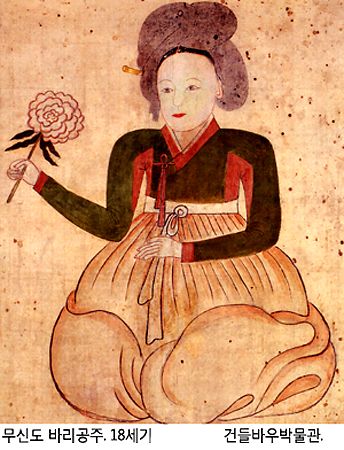
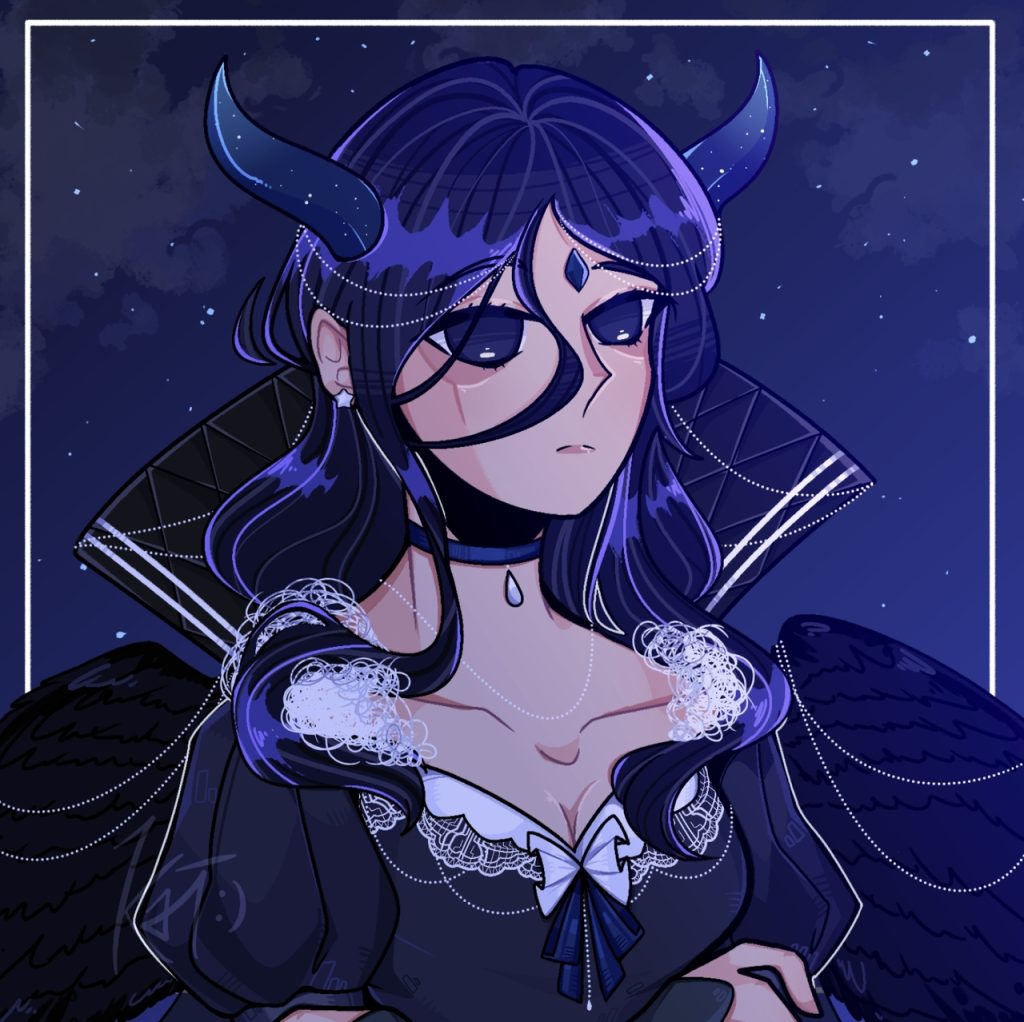


Source
Akamatsu, C., & Akiba, T. (1938). A study of Korean shamanism. Korean Studies Series.
Byun, J. (2023). Development of electronic cultural atlas: Korean mythology including Princess Bari. Journal of Multimedia Information System, 10(4), 383-392. https://www.jmis.org/archive/view_article?pid=jmis-10-4-383
Hwang, S. Y. (2019). Princess Bari. Graywolf Press.
Kim, T. H. (2014). Princess Bari, mother goddess. Korea Science. https://koreascience.kr/article/JAKO201415640234763.page
Korean Mythology. (2024, October 20). In Wikipedia. https://en.wikipedia.org/wiki/Korean_mythology
Princess Bari. (2024, October 20). In NamuWiki. https://en.namu.wiki/w/%EB%B0%94%EB%A6%AC%EA%B3%B5%EC%A3%BC
Seo, D. G. (2020). Korean shamanic epics: Princess Bari and the water of life. Seoul National University Press.
Yoon, I. S. (2014). Princess Bari: Gender perspectives in Korean folklore. International Journal of Social Science and Humanities Research. https://ijsshr.in/v6i8/Doc/65.pdf
Frequently Asked Questions
Who is Bari Gongju in Korean mythology?
Bari Gongju is a legendary princess who became a goddess after retrieving the elixir of life to save her parents, earning a central place in Korean shamanistic traditions.
Why was Bari Gongju abandoned at birth?
She was abandoned because her royal parents wanted a male heir, and her birth as a seventh daughter caused disappointment.
What are Bari Gongju’s powers?
She possesses healing powers, the ability to guide souls to the afterlife, and spiritual authority gained through her journey.
How is Bari Gongju honoured today?
She appears in Korean shamanic rituals, literature, theater, and modern media, including novels and video games.
What does Bari Gongju symbolize?
She represents resilience, filial piety, compassion, and the transformative power of enduring hardship.