

Vanaras of the Ramayana: Divine Warriors of the Forest Realm
The Vanaras are among the most intriguing beings in Indian mythology, occupying a unique place between the human, animal, and divine worlds. Best known through the Ramayana, these forest-dwelling warriors are often depicted as monkey-like humanoids with extraordinary agility, immense strength, and unwavering loyalty. While the Ramayana remains the primary source of Vanara lore, their symbolic depth reveals insights into the ancient imagination, tribal identities, and the cosmic forces believed to shape the world. Though not directly linked to sun gods, Vanaras frequently embody qualities associated with solar energy—vitality, radiance, clarity, and heroic endurance—making them powerful archetypes within mythic storytelling.
The word “Vanara” is commonly interpreted as vana-nara, meaning “forest people.” Over time, their image evolved into that of semi-divine monkey beings, but early interpretations suggest they may have represented indigenous tribes of southern India, celebrated for their agility and intimate connection with the forest. Their portrayal as simian beings served both symbolic and narrative purposes, giving them a distinct identity while highlighting their physical prowess and adaptability. Some texts also attribute shapeshifting abilities to Vanaras, describing them as beings who could alter their size and strength at will—a feature that reflects their mythic, rather than strictly zoological, existence.
Divine Origins and Purpose
Many Vanaras are described as children of gods born on earth for a specific cosmic mission. This divine lineage directly ties them to the broader Indian mythological pattern where celestial forces intervene through incarnations and empowered beings. Hanuman, the most revered Vanara, is the son of Vayu, the wind god. Other Vanaras, such as Vali and Sugriva, are linked to Indra and Surya in various traditions. These connections align Vanaras with solar symbolism, as traits like energy, brilliance, and vitality are central to both the Vanara identity and the attributes of sun gods.
Their divine ancestry also provides context for their abilities. Vanaras are not merely forest creatures but chosen participants in the cosmic struggle between dharma and adharma. They appear in the Ramayana precisely when the world requires beings of extraordinary courage, loyalty, and speed. Their involvement underscores the belief that nature, the divine, and humanity are intertwined in maintaining cosmic order.
Vanara Society and Culture
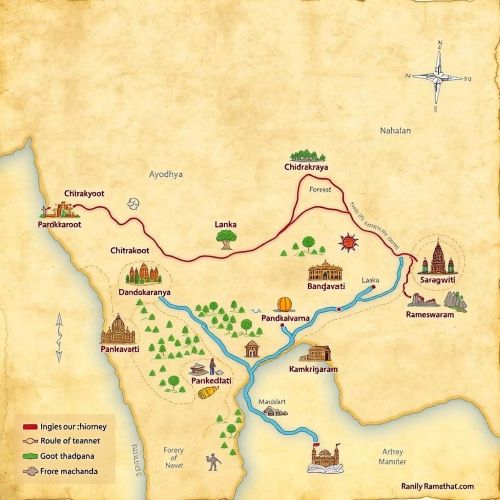
The Ramayana describes a sophisticated Vanara kingdom centred in Kishkindha, complete with laws, alliances, hierarchies, and military capabilities. While they possess wild strength, their society also reflects organisation and strategic intelligence. Sugriva’s leadership, Vali’s unmatched battle prowess, and the structured deployment of Vanara armies reveal a civilisation that blends primal instinct with cultural complexity.
Hanuman exemplifies the highest qualities of Vanara culture—knowledge, discipline, humility, and devotion. His wisdom rivals that of learned sages, his speed matches the wind, and his strength is portrayed as limitless. Similarly, Nala and Neela demonstrate engineering genius during the construction of the Rama Setu, the legendary bridge to Lanka. These stories highlight the Vanaras as more than warriors; they are thinkers, creators, strategists, and loyal allies.
Role in the Ramayana
The Vanaras play a pivotal role in Rama’s quest to rescue Sita. Their scouting missions, alliance-building, engineering feats, and battlefield heroism turn the tide in Rama’s favour. Their ability to traverse forests, mountains, and seas makes them indispensable. Hanuman’s leap across the ocean, empowered by the rising sun, symbolises the awakening of latent potential—a moment often interpreted through solar metaphor.
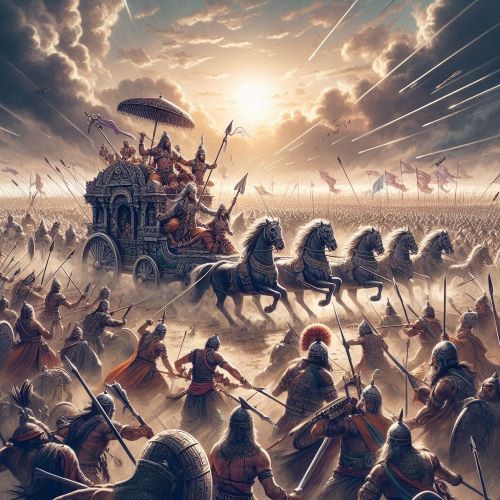
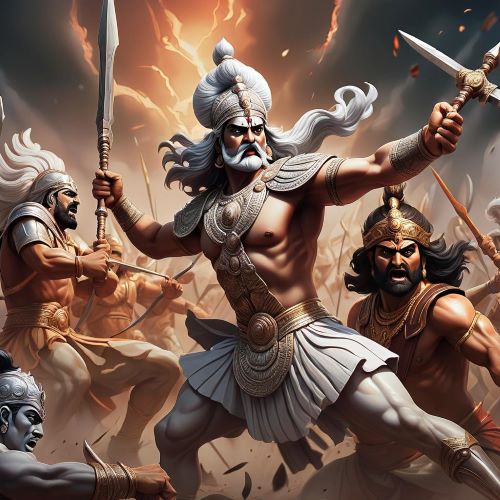
During the Lanka war, Vanaras showcase remarkable unity and resilience. They fight not as mere soldiers but as embodiments of natural strength channelled toward a righteous purpose. Each Vanara, from the mighty Angada to the countless unnamed warriors, contributes to the victory of dharma. Their collective effort represents the triumph that becomes possible when diverse individuals come together under a noble mission.
Symbolism and Legacy
The Vanaras symbolise loyalty, courage, and the harmonious coexistence of nature and humanity. Their stories remind us that greatness is not found solely in divine beings or kings but also in those who rise from humble origins to serve a higher cause. The Vanara image continues to inspire epic performances, temple sculptures, folklore, martial traditions, and devotional practices across India and Southeast Asia.
Hanuman in particular remains a cultural icon whose association with strength, discipline, and fearlessness echoes through modern times. He embodies the inner sun within each individual—the radiant force of clarity and determination that dispels darkness, echoing qualities traditionally associated with sun gods. In this way, the Vanaras remain relevant both spiritually and culturally, representing timeless values that shape human imagination.
The Vanaras stand as powerful reminders of the ancient belief that heroism can emerge from unexpected places. Their stories blend mythology, anthropology, and cosmic symbolism into a rich tapestry that continues to resonate today. They are not simply forest beings—they are embodiments of nature’s intelligence, divine grace, and the radiant energy that fuels every heroic journey.


No posts were found.