
Tahitian Mythology
Tahitian mythology forms a vital part of the spiritual world of Tahiti and the Society Islands in French Polynesia. These stories evolved from a deep relationship with the ocean, volcanic landscapes, and star-filled skies that guided Polynesian voyagers across vast distances. Tahitian mythology emphasizes genealogy, cosmic order, and the ongoing influence of divine beings in the lives of the people.
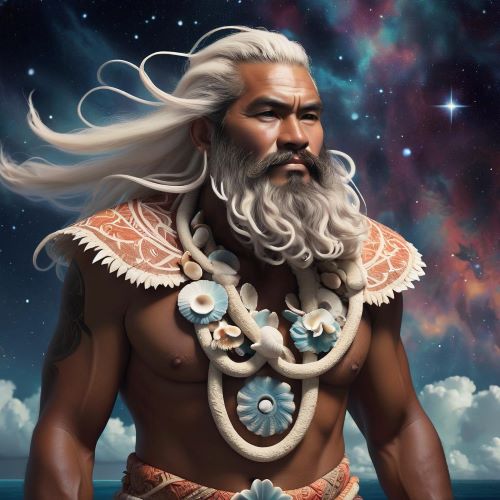
At the center of Tahitian cosmology is Taʻaroa, the great creator god who emerged from a cosmic shell and formed the world. According to Tahitian tradition, Taʻaroa shaped the heavens, oceans, winds, and the first living beings, establishing the foundation for life and law. His creative power reflects a spiritual worldview rooted in transformation and connection to nature.
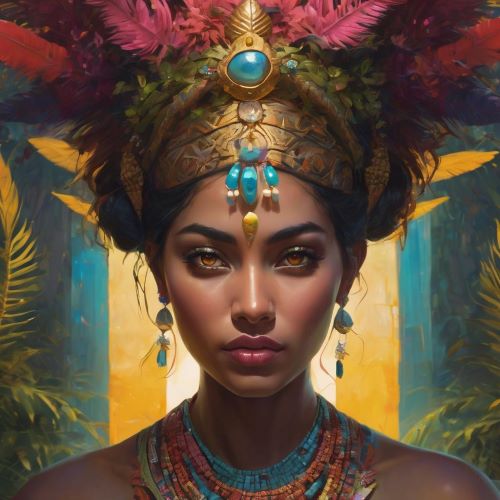
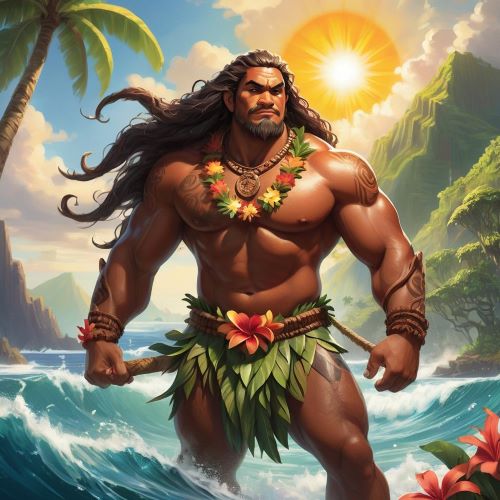
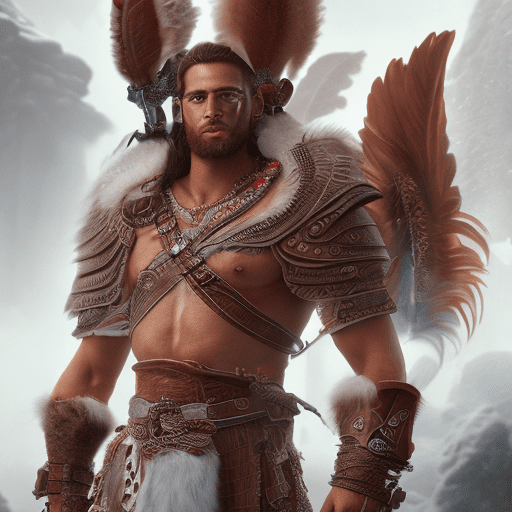
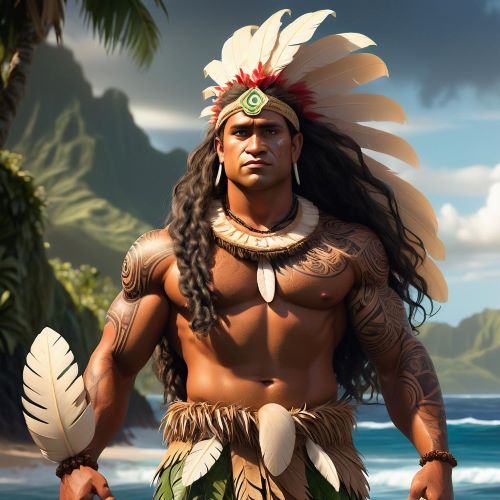
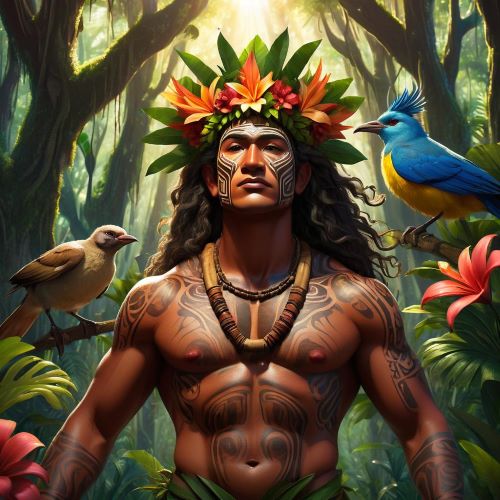
Other major deities — often called atua — play essential roles in governing natural forces and cultural practices. Tāne, god of forests and light, ‘Oro, deity of war, fertility, and sacred kingship, and Rū, master of storms and winds, are among the most significant figures. Their interactions formed the structure of the world and influenced everything from weather to social hierarchy.
The ocean is a sacred realm in Tahitian mythology. Stories tell of sea spirits, giant creatures, and ancestral protectors who guide fishermen and navigators. Tahitian voyaging is deeply intertwined with spiritual knowledge — the stars, tides, and ocean pathways are seen as gifts from the gods and ancestors who crossed the Pacific long before European arrival.
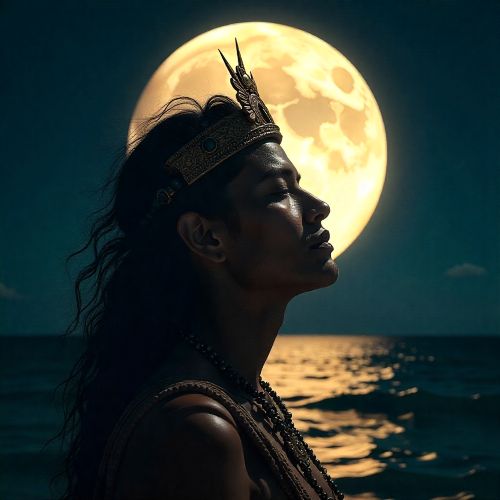
Cultural heroes also shape Tahitian storytelling. Figures like Hina, often associated with the moon and feminine creativity, appear in tales of transformation, love, and resilience. Her presence emphasizes balance between divine power and human experience.
Sacred sites across Tahiti, including marae (open-air temples), continue to serve as spiritual anchors linked to mythic events. These places held ceremonies honoring atua and celebrated the divine origins of ari‘i (chiefly lineages), reinforcing genealogy as the foundation of authority and identity.
Tahitian mythology remains a living force today. Cultural dance traditions such as ʻori Tahiti, tattooing (tatau), arts, and storytelling continue to carry ancestral memory forward. Efforts in language revitalization and heritage protection keep traditional cosmology alive in modern life.
Tahitian mythology stands as a vibrant expression of identity, oceanic resilience, and the sacred relationship between people, deities, and the natural world that sustains them — a testament to the enduring legacy of Polynesian culture.