

South East Asian Mythology
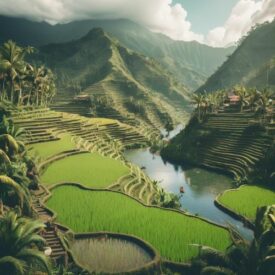
South East Asian mythology represents an extraordinary mix of indigenous beliefs, royal traditions, and spiritual systems shaped by centuries of cultural exchange. Spread across nations such as Indonesia, Thailand, Malaysia, Vietnam, Cambodia, Laos, Myanmar, Singapore, Brunei, and the Philippines, the region’s myths reveal a world where nature spirits, heroic ancestors, and divine rulers guide both society and spirituality. The tropical environment — from dense rainforests to volcanic landscapes and endless coastlines — plays a powerful role, with each element seen as the home of unseen forces worthy of respect and ritual.
Many myths highlight the presence of nature deities and guardian spirits, showing how deeply communities are connected to forests, oceans, animals, and fertile land. Naga serpents rule rivers and bring rain, while powerful mountain spirits protect villages and kingship. The sea, both giver and taker of life, is home to mysterious beings like the merfolk and storm gods, reflecting the maritime heritage of the region.
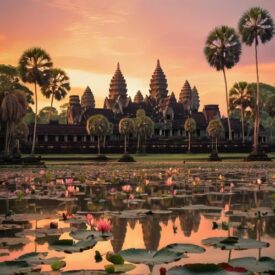
South East Asia is also shaped by ancient civilizations and royal dynasties. The Khmer Empire, Majapahit, Srivijaya, Pagan Kingdom, and others left behind spectacular temples and inscriptions recording stories of cosmic order and divine authority. Hindu and Buddhist influences blended seamlessly with local traditions, leading to unique interpretations of gods like Vishnu, Shiva, Brahma, and Buddha, who appear in new forms and new roles across different cultures.
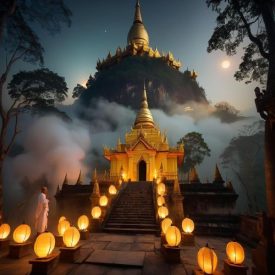
Epic heroes and cultural founders play a major role too. Figures such as Hanuman, Garuda, Princess Kaguya of Vietnam, and Hikayat legends from Malaysia and Indonesia demonstrate shared storytelling connections across borders. In the Philippines, myths celebrate brave warriors and the sky god Bathala, while in Myanmar, the nat spirits remain central to spiritual life alongside Buddhism.
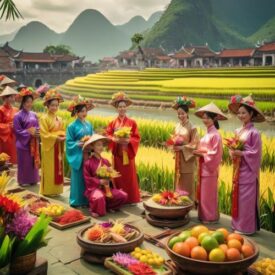
Mythological storytelling continues through festivals, performance arts, dance, puppetry, and oral tradition, keeping ancient beliefs alive in everyday life. Rituals to honor ancestors, appease spirits, and bless harvests reflect a worldview where past and present exist together.
Today, South East Asian mythology influences literature, films, comics, tourism, and cultural identity, proving its relevance in a rapidly modernizing world. It stands as a vibrant testament to the region’s history — a living heritage of belief, resilience, and imagination that continues to inspire future generations.