

Malaysian Mythology
Malaysian mythology reflects the diverse cultural roots of the Malay Archipelago, shaped by Indigenous traditions, maritime heritage, and centuries of interaction with global civilizations. With influences from Malay, Orang Asli, Dayak, Chinese, Indian, and Islamic traditions, Malaysia’s spiritual and mythological landscapes are layered with deep symbolism, heroic stories, and powerful nature spirits.
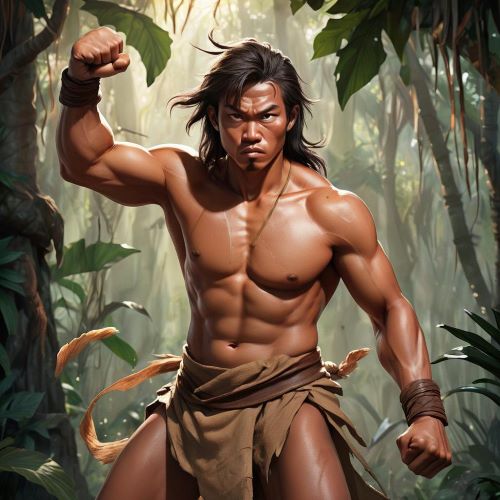
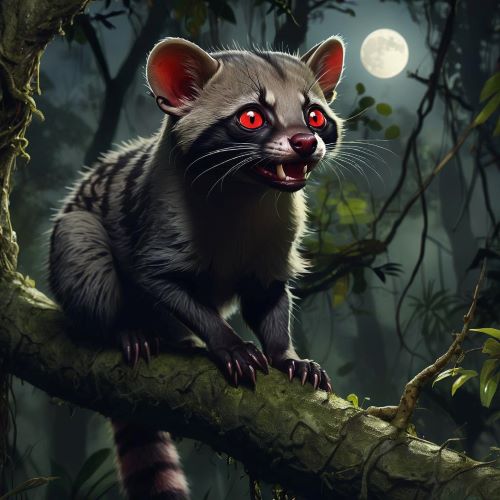
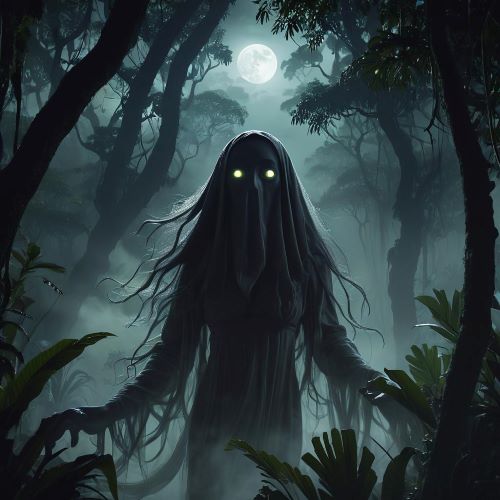
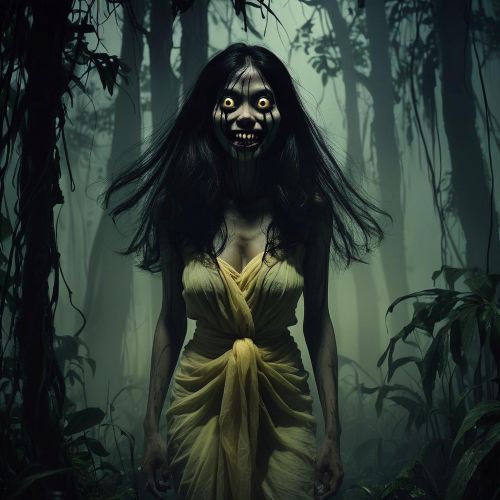
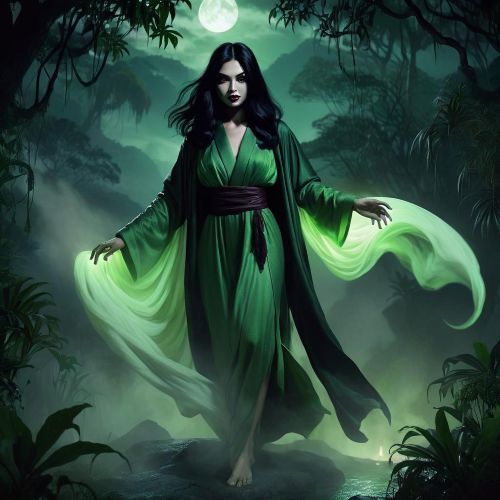
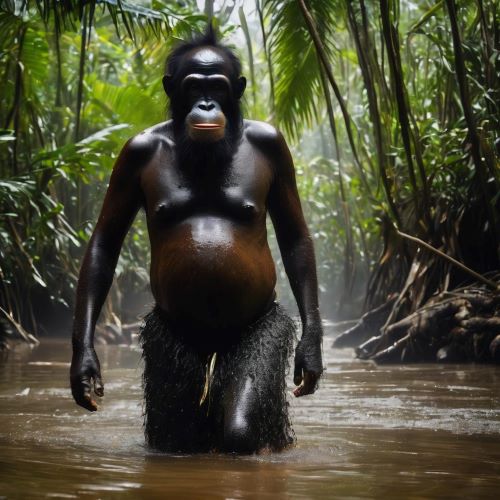
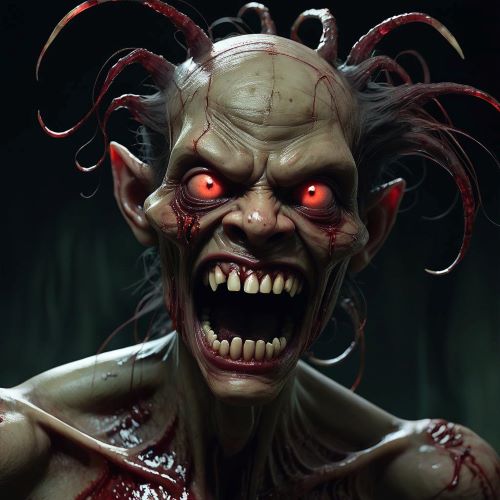
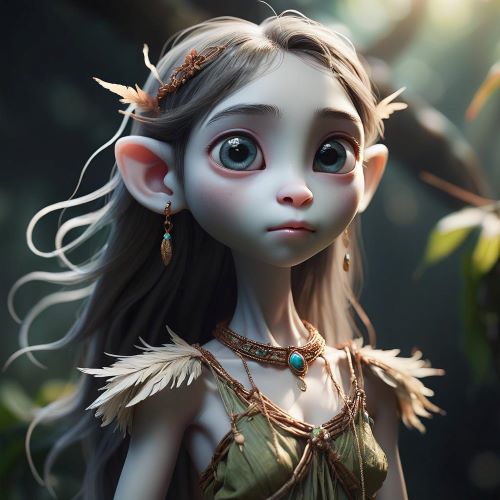
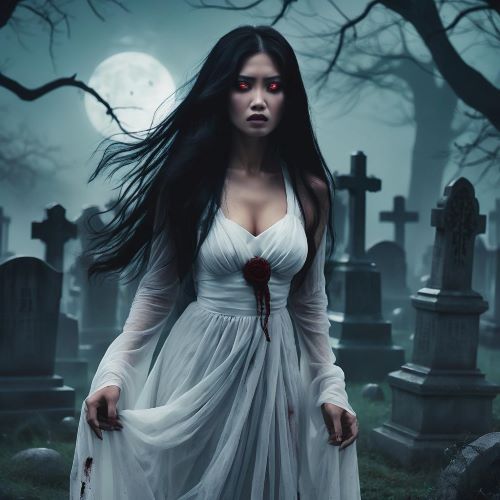
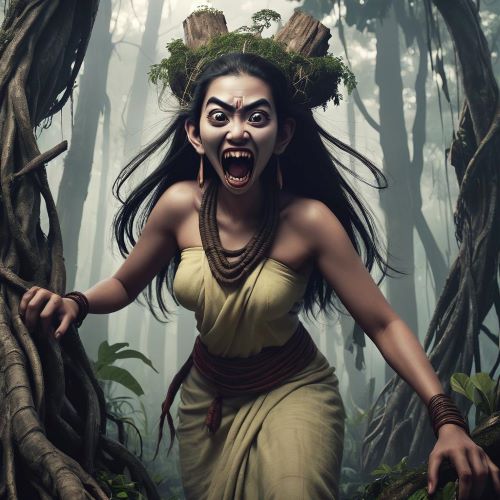
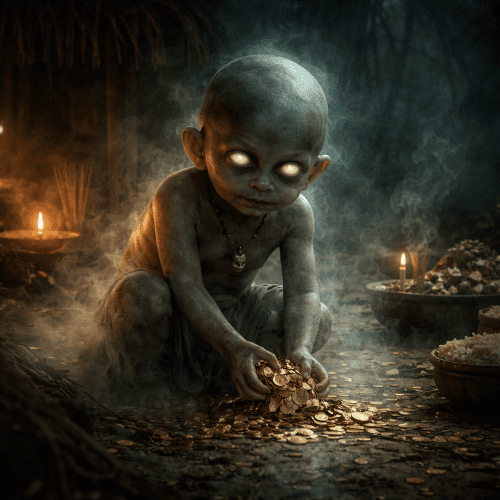
At the core of Malaysian mythology are ancient beliefs that every part of the natural world is alive with a presence. Forests, mountains, rivers, and the sea are filled with mysterious beings such as hantu, orang halus, and guardian spirits who protect or challenge humans depending on ritual respect. The storied rainforests of Borneo and Peninsular Malaysia provide rich settings where myth and ecology blend seamlessly.
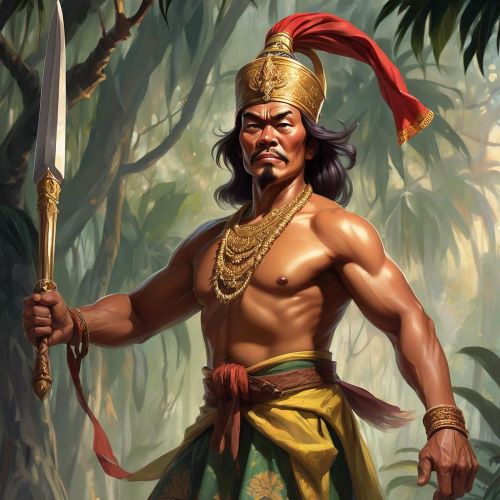
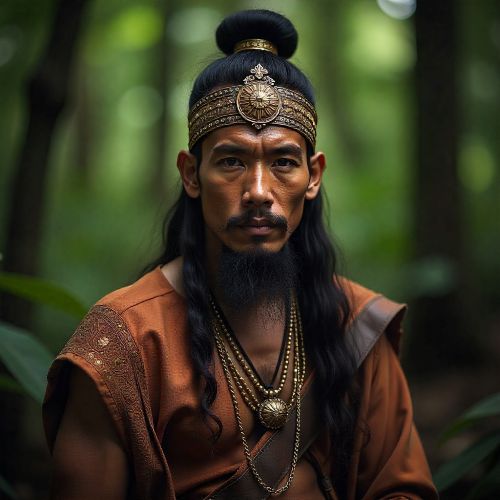
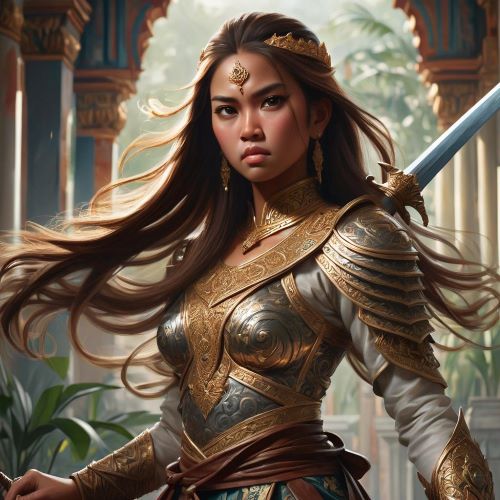
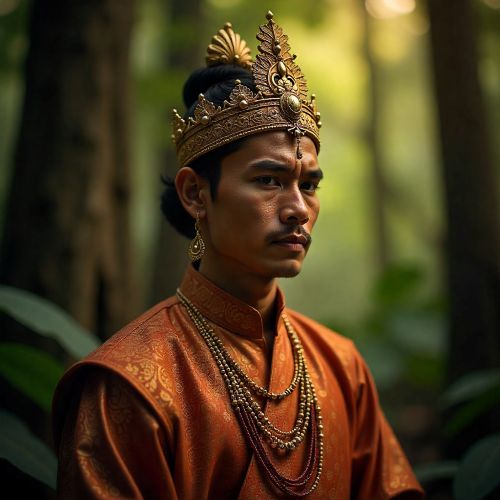
Legends of cultural heroes and royalty are central to national identity. Tales of Hang Tuah, the legendary warrior of Melaka famed for loyalty and courage, continue to inspire Malaysians today. Noble figures, mystical shamans, and wise rulers appear in historical epics that praise honor, unity, and devotion to the land.
Malaysia’s coastal nature brings a wealth of myths tied to the sea. From mermaid-like beings to protectors of fishermen, maritime legends reveal how communities survived through harmony with unpredictable waters. In Sarawak and Sabah, the Dayak and Kadazan-Dusun peoples maintain rich traditions involving rice spirits, ancestor guardians, and ceremonial rituals that celebrate the harmony between people and environment.
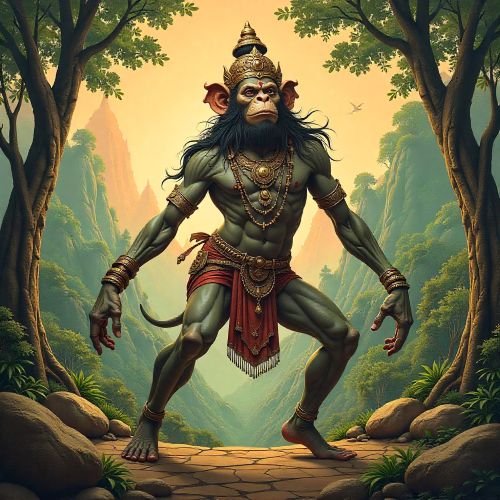
Religion has also played a strong role in mythology’s evolution. Buddhist and Hindu deities left lasting influences in early kingdoms like Langkasuka and Srivijaya. With the rise of Islam, myths transformed through spiritual and moral teachings, resulting in a unique blend of folklore and religious identity. Even with these changes, traditional spirits and pre-Islamic beliefs continue to thrive through oral storytelling and cultural practices.
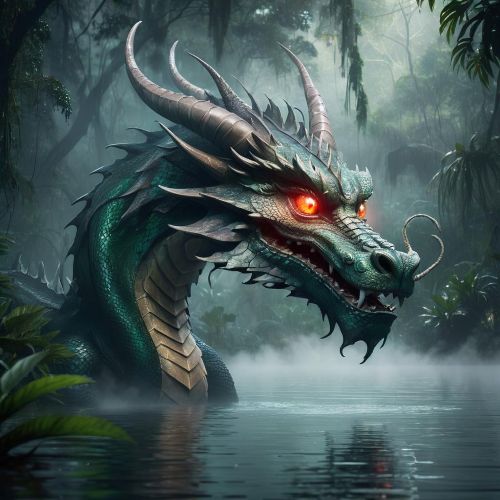
Festivals, dance, theatre, and modern storytelling keep mythology alive today. Characters like the Garuda, Naga serpents, forest dwellers, and supernatural tricksters appear in movies, comics, and performing arts, ensuring these stories connect with new generations. Rituals honoring the unseen world reinforce the belief that ancestors and spirits remain close to everyday life.
Malaysian mythology celebrates resilience, cultural unity, and the power of imagination. It stands as a testament to a nation enriched by its many voices — a living heritage where humans, spirits, and nature remain forever intertwined.