

Nohoipili : The Hawaiian Ancestral Spirit Who Stays Close
Listen
At a glance
| Description | |
|---|---|
| Origin | Hawaiian Mythology |
| Classification | Spirits |
| Family Members | N/A |
| Region | Hawaii |
| Associated With | Ancestral |
The Mythlok Perspective
Nohoipili reflects a cultural truth where protection is relational rather than authoritative. This spirit does not command nature or demand worship but exists through closeness, memory, and moral presence. Unlike heroic guardian figures found in Greek or Norse traditions, Nohoipili operates quietly, shaping behavior through intuition and restraint. Comparable ancestral spirits appear in Japanese household kami and Roman lares, yet Hawaiian belief places greater emphasis on emotional proximity. Here, guardianship is not power over others but responsibility toward lineage.
Nohoipili
Introduction
Hawaiian spiritual tradition is deeply rooted in ancestry, land, and the belief that the boundary between the living and the dead is porous rather than fixed. Within this worldview, Nohoipili occupies a subtle but meaningful place. Rather than being a grand akua who governs volcanoes, forests, or oceans like Pele, Kāne, or Lono, Nohoipili represents a category of ancestral spirit that remains close to its descendants. The name itself conveys this role, combining the idea of dwelling with intimacy and attachment. Nohoipili reflects the Hawaiian understanding that family lineage does not end with death but continues as a living spiritual presence. Through Nohoipili, genealogy, memory, and protection converge, reinforcing the idea that ancestors actively participate in the wellbeing and moral direction of the living.
Physical Traits
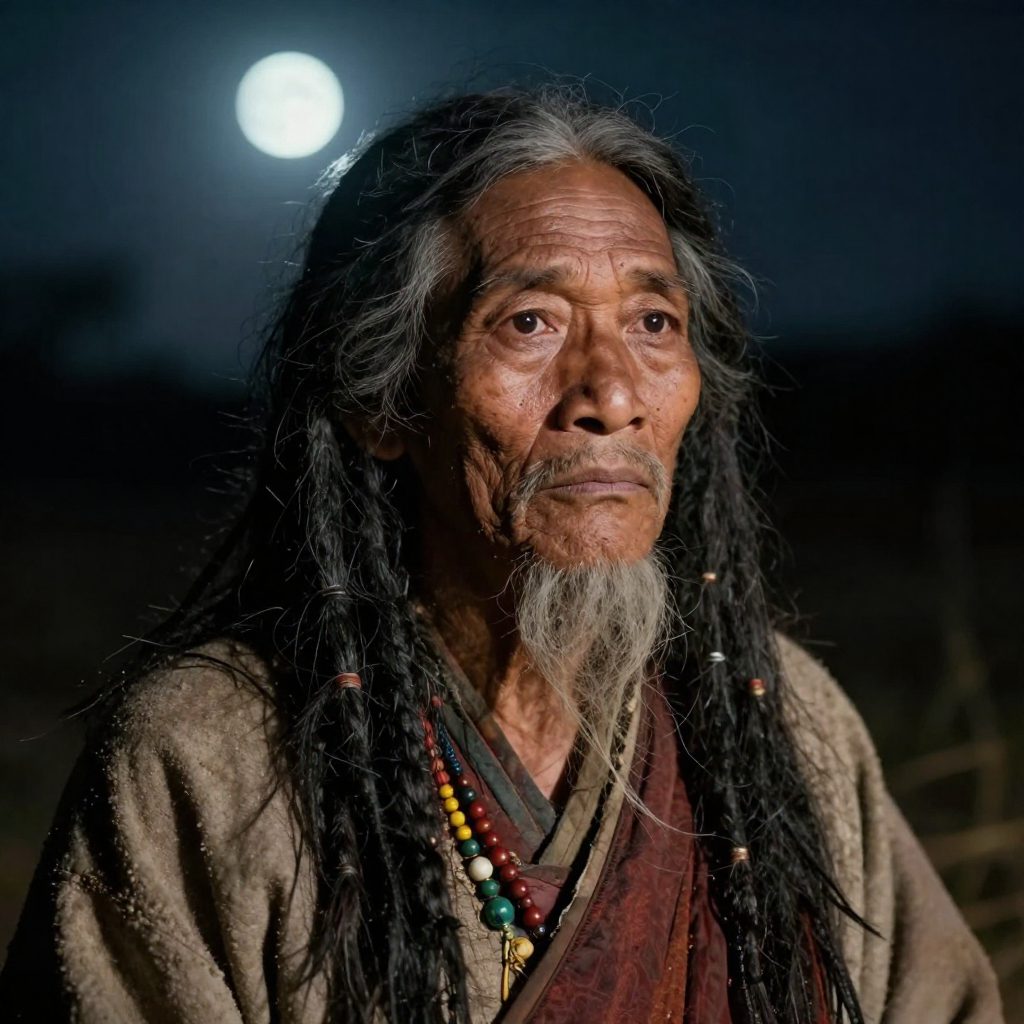
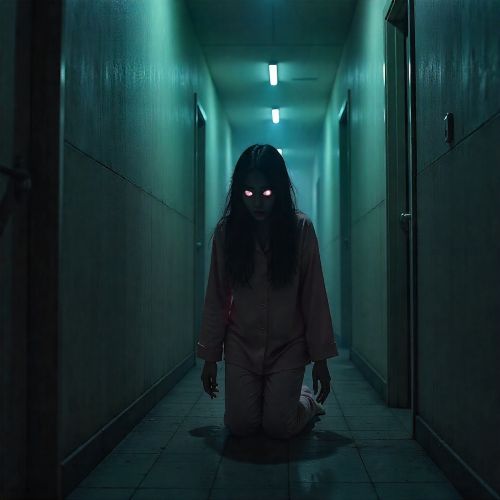
Nohoipili is not described with fixed physical characteristics in the way gods or demigods are. These spirits are largely invisible, perceived rather than seen, and their presence is often felt through intuition, dreams, or sudden awareness. In oral accounts, encounters may involve fleeting shadows, familiar voices, or sensations that signal guidance or warning. When a form is suggested, it is indistinct and temporary, emphasizing spiritual proximity rather than embodiment. Some traditions suggest that a Nohoipili spirit may attach itself to elements of the natural environment such as stones, trees, or animals closely tied to a family’s land. This lack of a defined physical body underscores the Hawaiian belief that spirit and environment are intertwined and that ancestral presence is woven into everyday surroundings rather than set apart from them.
Family
Family is the foundation of Nohoipili’s identity. These spirits are understood to be deceased ancestors who choose to remain near their descendants, watching over specific family lines rather than communities at large. This role is inseparable from the concept of ʻohana, where familial bonds extend across generations and even across the divide between life and death. Nohoipili spirits are not universal guardians but personal ones, shaped by shared bloodlines, shared land, and shared memory. Families historically maintained relationships with their Nohoipili through chants, offerings, and respectful conduct, believing that neglect or disrespect could weaken ancestral protection. In this way, Nohoipili reinforces the sacredness of genealogy and the responsibility of the living to honor those who came before them.
Other names
Nohoipili is closely related to the broader concept of aumakua, the ancestral guardian spirits central to Hawaiian belief. While aumakua can manifest in animal forms such as sharks, owls, or lizards, Nohoipili specifically emphasizes nearness and attachment. The term highlights spirits that “dwell close,” distinguishing them from more distant ancestral forces or abstract spiritual entities. Linguistically, the name reflects intimacy rather than authority, reinforcing that Nohoipili is defined by relationship rather than power. Regional variations in pronunciation or emphasis exist, but the core meaning remains consistent across the islands, centering on ancestral presence and familial continuity rather than localized deity worship.
Powers and Abilities
The influence of Nohoipili lies in guidance rather than spectacle. These spirits are believed to warn descendants of danger through dreams, recurring symbols, or sudden feelings that prompt caution. They may guide important decisions related to family, land stewardship, or moral conduct, subtly shaping choices rather than commanding them. Protection is another key aspect, with families believing that a vigilant Nohoipili could shield them from illness, misfortune, or spiritual imbalance. Unlike elemental gods, Nohoipili does not control nature directly, but its power is felt through timing, intuition, and protection that unfolds quietly over time. This restrained form of influence reflects a Hawaiian understanding that true power often operates invisibly and relationally rather than through overt force.
Modern Day Influence
In contemporary Hawaiian life, Nohoipili continues to resonate as a cultural and spiritual concept. Many Hawaiians still honor their ancestors through practices that echo traditional relationships with aumakua and Nohoipili spirits, even when expressed in modern forms. Respect for elders, careful attention to family history, and reverence for ancestral land are all informed by this enduring belief. Nohoipili also appears in cultural education, storytelling, and spiritual discussions that emphasize continuity rather than nostalgia. Despite centuries of cultural disruption, the idea that ancestors remain present and invested in their descendants persists, making Nohoipili a powerful symbol of resilience, identity, and spiritual intimacy in modern Hawaiian society.
Related Images

Source
Beckwith, M. (1970). Hawaiian mythology. University of Hawaii Press.
Pukui, M. K., & Elbert, E. M. (1986). Hawaiian dictionary (Rev. ed.). University of Hawaii Press.
Kalākaua, D. (1990). The legends and myths of Hawaii. Mutual Publishing.
Malo, D. (1951). Hawaiian antiquities (N. B. Emerson, Trans.). Bishop Museum Press.
Westervelt, W. D. (1915). Hawaiian legends of volcanoes. G. H. Ellis Press.
Hawaiian Mythology: Healing Deities. (n.d.). Retrieved January 20, 2026, from
https://greenglobaltravel.com/hawaiian-mythology-gods-goddesses-legends/
Beckwith, M. (1919). The Kumulipo: A Hawaiian creation chant. University of Chicago Press.
Nohoipili in Hawaiian Folklore. (2023). Retrieved January 20, 2026, from
https://library.leeward.hawaii.edu/hwst270uilani
Triantafillou, A. (2025). Hawaiian Mythology: Stories of Fire, Ocean, and Ancestral Wisdom. MaxMag. Retrieved from https://maxmag.org/mythology/hawaiian-mythology/
Island Hopper Guides. (2025). Hawaiian Mythology: Gods, Goddesses, and the Stories That Shaped the Islands. Retrieved from https://islandhopperguides.com/hawaii/hawaiian-culture/hawaiian-mythology-gods-goddesses-and-the-stories-that-shaped-the-islands/
Frequently Asked Questions
Who is Nohoipili in Hawaiian belief?
Nohoipili refers to an ancestral spirit believed to remain close to its descendants, offering guidance and protection rather than ruling over natural forces.
Is Nohoipili a god or a spirit?
Nohoipili is considered a spirit, specifically an ancestral guardian, not a major god within the Hawaiian pantheon.
How is Nohoipili different from an aumakua?
While Nohoipili falls under the broader concept of aumakua, it emphasizes closeness and constant presence rather than animal manifestation or symbolic form.
Does belief in Nohoipili still exist today?
Yes, the concept continues to influence modern Hawaiian cultural values, especially respect for ancestors, elders, and family continuity.
How did families honor Nohoipili traditionally?
Families honored Nohoipili through chants, offerings, respectful behavior, and maintaining strong connections to genealogy and ancestral land.