
Why Myths Still Matter: Writing Stories That Echo Through Time
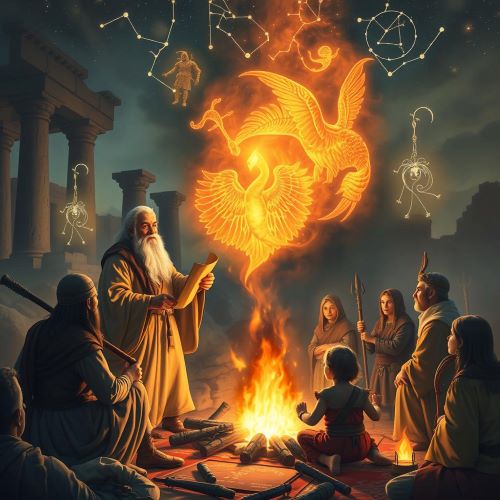
Stories have shaped humanity since we first gathered around flickering fires. From the thunder of Zeus to the cunning of Anansi, myths have answered our questions. They bound communities, granting us a shared sense of wonder and purpose.
Today, revisiting these ancient tales remains essential. While an online literature review writer might help you trace sources, the true magic lies in how you weave familiar threads into fresh narratives. Myths endure because they speak to universal experiences: birth, death, love, betrayal. They offer a mirror in which every reader finds a reflection of their hopes and fears.
In this post, we’ll explore why myths still matter. You’ll learn their core functions, see how modern creators borrow mythic tools, and discover a hands-on guide to crafting your own timeless stories.
Let’s dive in.
Myths began as humanity’s first explanations of natural phenomena:
When we lacked scientific terms for lightning or earthquakes, we imagined capricious gods. In that act of creation, people found meaning in chaos.
Beyond explanation, myths knit societies together. Festivals, rituals, and communal rites often revolved around shared legends. They established moral frameworks that guided behavior. Characters like Prometheus or the Trickster taught lessons about hubris, generosity, and cunning.
Key functions include:
- Explaining the unknowable: Myths answer “why” questions when data fails us.
- Building community: Shared stories create collective identity.
- Passing down values: Archetypal heroes and villains demonstrate moral choices.
Understanding these roles helps you harness mythic power in modern writing.
Myths in Today’s Storytelling Landscape
From blockbuster films to podcast series, mythic structures are everywhere. Writers borrow the hero’s journey shape, fitting it to space operas or crime thrillers. Readers expect that pulse of transformation.
Consider how narrative podcasts layer in ancient legends to illustrate contemporary issues. True crime series sometimes adopt oracular voices to frame moral questions. Even video games rely on pantheons of gods or elemental spirits to deepen lore.
Three common patterns here:
- The Hero’s Journey
- Origin Myths
- Creation Stories
The Hero’s Journey
This pattern traces a protagonist’s transformation. First, the hero receives a call to adventure. They cross into an unfamiliar realm, face trials, gather allies, confront a supreme challenge, and return transformed.
In cinema, this arc appears in everything from space operas to coming‑of‑age dramas. Writers adapt it by tweaking stages: Some skip the mentor, others fold multiple trials into a single set piece. The emotional resonance remains: Readers or viewers root for growth against overwhelming odds.
Origin Myths
Origin stories explain the beginnings of people, places, or phenomena. In modern contexts, authors write origin myths to give fictional worlds a sense of antiquity.
This approach offers depth: every character and location feels embedded in a larger history. By sprinkling hints of primordial battles, lost civilizations, or divine bargains, you give your narrative weight and texture.
Creation Stories
These tales describe the formation of the world or universe. They often involve cosmic battles, primordial parents, or elemental chaos.
In speculative fiction, writers craft new cosmologies: galaxies born from dragon‑fire or worlds shaped by cosmic gardeners. Even in non‑fantasy genres, an author might personify societal changes as a creation story — the industrial revolution as a titan’s forging of steel gods. Such analogies lend a mythic scale to real events, engaging readers on both intellectual and emotional levels.
Practical Guide to Writing Timeless Myths
Research Source Material
- Browse folklore collections from diverse cultures.
- Compare similar tales to spot shared motifs.
- Note variations in setting, character, and resolution.
Identify Universal Themes
Universal themes include transformation, sacrifice, rebirth, and the quest. These motifs resonate across time and geography.
- Love: Romantic, platonic, familial.
- Sacrifice: What must your hero give up?
- Transformation: Physical, emotional, or spiritual.
Craft Memorable Archetypes
A memorable protagonist needs depth. You can:
- Subvert expectations (the coward who finds courage).
- Blend archetypes (a trickster‑mentor who guides with riddles).
- Reveal hidden flaws.
Real‑World Examples of Modern Myths
- Neil Gaiman’s American Gods. Gaiman merges Norse and Slavic deities with road‑trip Americana. His gods live among us, hungry for belief. Story arcs hinge on ancient rivalries given a modern twist.
- Madeline Miller’s Circe. Miller reimagines a minor Homeric figure as a full protagonist. By centering Circe’s interior life (her doubts, her drive), Miller transforms secondary lore into an immersive myth.
- Studio Ghibli Films. Hayao Miyazaki weaves Shinto folklore into family‑friendly stories. Spirited Away and Princess Mononoke feature kami and forest spirits that reflect environmental concerns.
American Gods by Neil Gaiman
Gaiman’s novel centers on Shadow Moon, recently released from prison, who becomes a bodyguard to the mysterious Mr. Wednesday.
The twist: Mr. Wednesday is Odin in hiding, recruiting old gods to wage war against new deities born of media, technology, and globalization.
Gaiman blends road‑trip motifs with divine politics. Every diner stop or abandoned roadside shrine evokes ancient rituals repurposed for modern life. The stakes feel cosmic, yet the characters wrestle with loneliness, nostalgia, and faith.
Circe by Madeline Miller
In Circe, the eponymous nymph appears on a deserted island after offending a god. Miller retraces Circe’s evolution from a background figure in Homer’s Odyssey into a fully realized heroine. The novel spans centuries:
Circe interacts with mortals and immortals, and witnesses the ebb and flow of human cruelty and compassion.
Miller dives deep into domestic details — herbal lore, the rhythms of island life — and contrasts them with epic encounters. By giving voice to a once‑marginal character, the author demonstrates the power of reclaiming mythic women for modern feminist perspectives.
Studio Ghibli Films by Hayao Miyazaki
Miyazaki’s works infuse Shinto folklore into animated narratives. In Spirited Away, young Chihiro navigates a spirit bathhouse after her parents turn into pigs. Each spirit embodies natural forces: the river god, soot sprites, and the pale No‑Face.
Miyazaki uses visual storytelling elements like lush backgrounds and fluid transformations to evoke a pantheon without exposition dumps. In Princess Mononoke, the conflict between humans and forest gods explores environmental themes. The boar god’s rage, the wolf deity’s grief: These mythic personifications challenge viewers to consider their relationship with nature.
Ghibli films illustrate how animation can render mythic landscapes tangible and emotionally gripping.
By analyzing these case studies, you see some must-try strategies:
- Combining old and new settings.
- Deepening minor characters.
- Addressing modern themes through mythic lenses.
Engaging Your Readers with Mythic Elements
Myths succeed when readers feel both surprised and recognized. Use these strategies:
- Visual anchors: Insert symbolic imagery or artifact boxes. A small illustration can evoke the phoenix’s rebirth or the labyrinth’s mystery.
- Interactive features: Add sidebars labeled “Modern Parallels” or “Quick Tips.” Encourage readers to spot archetypes in their favorite stories.
- Call‑outs and pull quotes: Highlight lines such as “Every hero is defined by the trial they refuse — and the one they endure.” These elements break up text and guide skimmers.
Final Words
Myths remain alive because they tap into something fundamental. They bridge past and present, weaving lessons into narrative art. When you write with mythic intent, your stories echo across generations.
Now it’s your turn:
Choose a theme. Sketch an archetype. Build a world where ancient values meet modern sensibilities.
And don’t hesitate to share your first draft on your social media or blog. Through practice and feedback, you’ll find the textures that make your myths endure.
No posts were found.