The 9 Muses of Greece and What They Represent
In ancient Greek thought, the Muses were not simply goddesses of art. They were the divine source of memory, creativity, inspiration, and intellectual order. Without the Muses, poetry could not be composed, music could not be harmonised, history could not be remembered, and even science lacked meaning. To invoke the Muses was to ask for truth shaped into beauty.
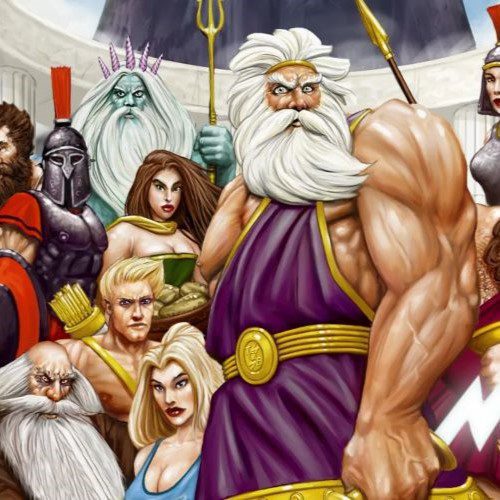
According to Greek tradition, the Muses were the nine daughters of Zeus, ruler of the gods, and Mnemosyne, the goddess of memory. This lineage is crucial. Creativity in Greek culture was believed to arise from remembrance. Art was not invention but revelation.
They were said to dwell on Mount Helicon or Mount Parnassus, where poets, scholars, and kings sought their favour. Below is a listicle-style exploration of the Nine Muses, each representing a distinct domain of human expression.
1. Calliope – Muse of Epic Poetry
Calliope, whose name means “beautiful-voiced,” was considered the chief of the Muses. She presided over epic poetry, heroic narrative, and grand mythic storytelling. Homeric epics such as The Iliad and The Odyssey traditionally open with an invocation to her.
Calliope symbolised the authority of spoken word and moral gravity. Kings and rulers were believed to receive eloquence and wisdom through her blessing, reinforcing the idea that leadership itself required narrative clarity.
2. Clio – Muse of History
Clio’s domain was history, but not history as dry record keeping. She governed the act of remembering events so they could instruct future generations. Often depicted with scrolls or chests of books, Clio embodied preservation of truth.
Her role reflects why the Muses were daughters of memory. Without Clio, achievements faded, mistakes repeated, and identity dissolved.
3. Euterpe – Muse of Music and Lyric Poetry
Euterpe brought joy through sound. Associated with the aulos, a double-reed flute, she inspired melody, rhythm, and emotional expression. Lyric poetry, performed with music, fell under her guidance.
She represented the harmony between emotion and structure, reminding the Greeks that music was a civilising force shaping the soul.
4. Thalia – Muse of Comedy
Thalia governed comedy, pastoral poetry, and light-hearted storytelling. She was often shown holding a comic mask, symbolising laughter as social medicine.
In Greek culture, comedy was not trivial. It critiqued power, exposed folly, and restored balance. Thalia’s presence affirmed that joy and satire were as essential as tragedy.
5. Melpomene – Muse of Tragedy
Melpomene ruled tragedy, guiding playwrights through stories of suffering, fate, and moral consequence. Her tragic mask and flowing robes represented humanity’s confrontation with inevitability.
Greek tragedy was never despair for its own sake. Under Melpomene, it became a tool for catharsis, allowing societies to process fear, loss, and ethical complexity.
6. Terpsichore – Muse of Dance
Terpsichore embodied movement and rhythm. Dance in ancient Greece was sacred, used in rituals, festivals, and storytelling. She governed bodily expression as a language of devotion.
Her influence reminds us that art is not limited to words or sound. The body itself becomes scripture when guided by rhythm.
7. Erato – Muse of Love Poetry
Erato inspired romantic and erotic poetry. Often shown with a lyre or wreath of roses, she presided over desire expressed through beauty rather than excess.
In Greek philosophy, love was a force that shaped civilisation, lineage, and creativity. Erato transformed longing into lyrical order.
8. Polyhymnia – Muse of Sacred Hymns
Polyhymnia governed sacred songs, religious poetry, and contemplative silence. She was often depicted veiled, deep in thought.
Her influence extended beyond music into rhetoric and geometry, suggesting that spiritual reflection and intellectual precision were intertwined.
9. Urania – Muse of Astronomy
Urania presided over astronomy and celestial mathematics. Holding a globe or compass, she bridged myth and science.
To the Greeks, studying the stars was not separate from art. Urania represented the belief that cosmic order itself was a form of divine poetry written across the sky.
The Enduring Power of the Muses
The Muses were not distant deities. They were active forces shaping civilisation. From ancient epics to Renaissance art, from scientific naming conventions to modern universities, the concept of inspiration as something “received” rather than manufactured endures.
Even today, the word museum derives from Mouseion, a place dedicated to the Muses. Their legacy reminds us that creativity thrives when memory, discipline, and wonder move together.





No posts were found.