

Killing a Werewolf and the Dark Truth Behind the Silver Bullet
Throughout folklore, one question has haunted villages, hunters, and storytellers alike: how does one truly survive an encounter with a werewolf? The idea of killing a werewolf appears in countless legends across Europe and beyond, each offering its own terrifying method and moral warning.
But werewolves are more than monsters. They represent transformation, rage, curse, and loss of humanity. So when ancient traditions speak of killing a werewolf, they often speak symbolically as much as physically. Let us explore the lore, the rituals, and the cultural psychology behind this enduring myth.
Why Silver? The Origins of the Killing a Werewolf Tradition
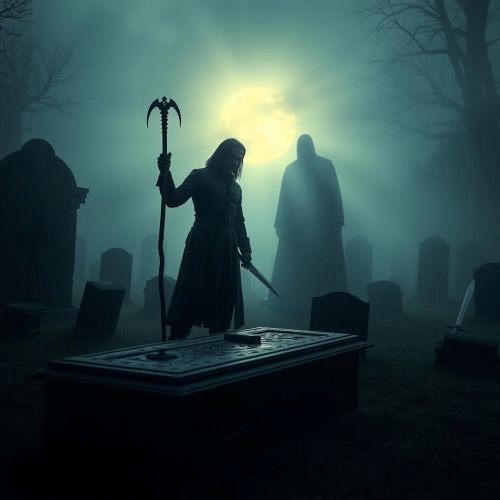
The most widespread belief about killing a werewolf involves silver. A silver bullet, silver dagger, or even a silver-tipped spear is said to be fatal to the beast. This tradition became especially popular in 18th and 19th-century European folklore and later solidified through Gothic literature and cinema.
Silver has long symbolized purity, the moon, and divine protection. In many traditions, silver is believed to repel evil spirits and supernatural beings. The connection between silver and killing a werewolf likely stems from this sacred symbolism. If the werewolf represents corruption of the human soul, silver becomes the purifier.
Some legends state the silver must be blessed by a priest. Others insist the weapon must be forged during a full moon. In French accounts linked to the infamous Beast of Gévaudan, villagers reportedly believed only consecrated silver bullets could bring down the creature.
Interestingly, older medieval European tales did not always emphasize silver. Instead, they focused on religious tools such as holy water, sacred relics, or prayers. In these versions, killing a werewolf was less about metallurgy and more about spiritual confrontation.
This suggests that the act of killing a werewolf is not just physical combat, but symbolic purification.
When Ritual Replaced Weapons: Spiritual Methods in Folklore
While silver dominates modern imagination, different cultures offer varied methods for killing a werewolf. In Slavic folklore, burning the body of a suspected werewolf was believed to permanently end the curse. Fire represents cleansing transformation, reducing both flesh and curse to ash. In some Balkan traditions, decapitation followed by burning ensured the spirit would not return.
In parts of Germany and Scandinavia, iron was believed to repel shapeshifters. Iron has ancient associations with protection against supernatural beings, particularly fairies and spirits. A forged iron blade driven through the heart appears in certain regional tales as a method of killing a werewolf.
Some stories, however, offer a surprising alternative: instead of killing the creature, one could remove the curse. If the werewolf’s skin or enchanted belt was stolen or destroyed, the human trapped inside could be freed. In these narratives, killing a werewolf is tragic because it may mean killing a cursed human.
This theme appears in multiple European folktales where a family member unknowingly slays their transformed relative. The moral becomes clear: rage and fear may destroy what compassion could save.
In rare accounts, calling the werewolf by its baptismal name three times could break the transformation. Here again, killing a werewolf is replaced by restoring identity.
Killing the Curse or Killing the Human? The Moral Dilemma
To understand the myth fully, we must look beyond weapons. Werewolves symbolize loss of control. They embody primal instincts unleashed—violence, hunger, suppressed desire. During the medieval period, accusations of lycanthropy often overlapped with witch trials and social paranoia. The act of killing a werewolf reflected society’s attempt to destroy perceived threats to order.
In this sense, killing a werewolf becomes a metaphor for confronting the beast within.
Modern horror films reinforce the silver bullet solution, simplifying the legend into a monster-hunting formula. But older folklore suggests something more complex. The real enemy may not be the creature, but the curse, trauma, or social fear that created it.
Even today, the idea of killing a werewolf resonates because it addresses a universal anxiety: what happens when humanity turns savage?
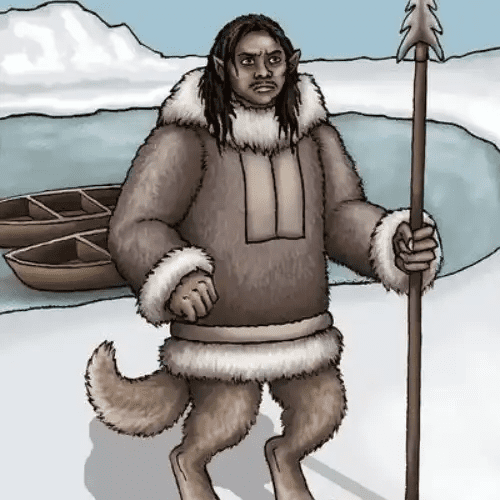
Perhaps that is why werewolf myths persist across cultures—from European lycanthropes to shape-shifting warriors in Norse sagas and skin-walkers in other traditions. The fear of transformation is universal.
Can a Werewolf Truly Be Killed?
If we follow strict folklore tradition, yes—killing a werewolf requires silver, fire, iron, or sacred ritual. But mythology rarely gives a single answer. In some tales, the curse dies with the body. In others, violence only deepens tragedy.
The enduring fascination with killing a werewolf lies not in the method, but in the meaning. Are we destroying evil, or are we destroying a human lost to forces beyond control?
The myth leaves the answer open. And perhaps that is the true power of the legend.

No posts were found.