The Solar Solstice represents the most dramatic turning points in the relationship between Earth and the Sun. Occurring twice each year, the solstices mark the longest day and shortest night of summer, and the shortest day and longest night of winter. For ancient cultures, these moments were charged with power, danger, and divine presence. The Sun did not merely rise and set; it struggled, triumphed, weakened, and was reborn through the solstice cycle.
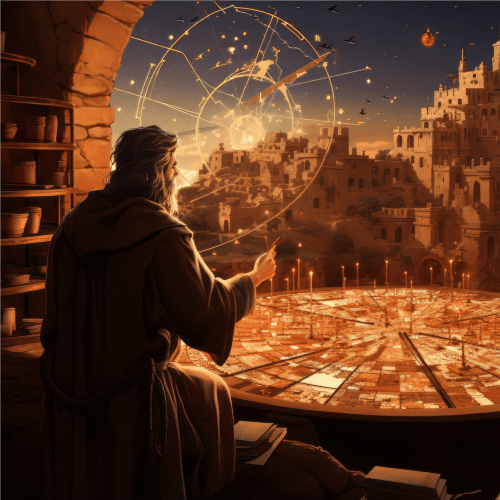
In mythic worldviews, the Solar Solstice was never a neutral astronomical fact. It was a cosmic threshold, a moment when solar power reached its peak or nadir, and when the fate of crops, kings, and entire civilizations felt closely tied to celestial movement. Myths surrounding the solstice explain how humans once understood time, survival, and divine order through the Sun’s extremes.
The Sun at Its Peak and Decline
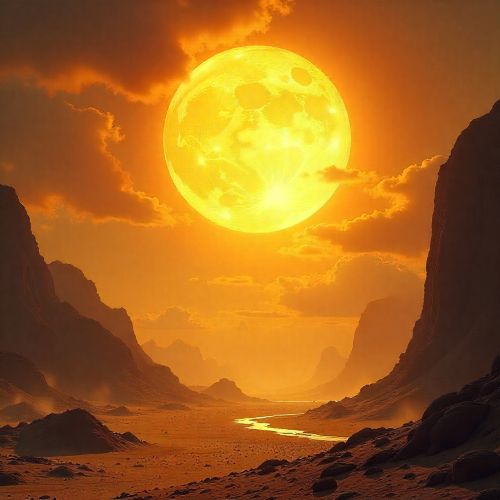
The summer solstice marked the Sun’s greatest strength. Daylight ruled, shadows shrank, and the Sun appeared invincible. Many traditions mythologized this as the reign of a solar king, hero, or deity at the height of power. Yet this triumph was often bittersweet. Mythmakers understood that the moment of greatest light also signaled the beginning of decline. From this point onward, days would slowly shorten.
This paradox shaped solstice myths centered on hubris and impermanence. Solar gods at their zenith were sometimes challenged, wounded, or destined to fall, reflecting the natural truth that no power remains absolute. The solstice taught ancient societies that dominance carries the seed of its own reversal.
Winter Solstice and the Rebirth of Light
If the summer solstice represented solar dominance, the winter solstice embodied vulnerability and hope. With darkness at its deepest and cold tightening its grip, the Sun appeared weak, distant, or dying. Mythology responded by framing this moment as a sacred rebirth rather than an end.
Across cultures, winter solstice myths tell of infant suns, resurrected gods, or hidden flames protected through the longest night. Fires were lit, candles kindled, and rituals performed to symbolically assist the Sun’s return. The belief was clear: light could not be destroyed, only temporarily diminished. The solstice reassured communities that renewal was inevitable, even in the bleakest season.
Agricultural Survival and Solar Extremes
The Solar Solstice directly governed agricultural success. The summer solstice occurred during periods of growth and abundance, while the winter solstice coincided with scarcity and uncertainty. Mythology transformed these realities into narratives of divine generosity or withdrawal.
Gods associated with fertility, grain, and seasonal cycles often mirrored the Sun’s solstice behavior. Their strength waxed and waned, their deaths and rebirths explained the rhythms of planting and harvest. Through myth, people found meaning in hardship and reassurance that endurance would be rewarded when the Sun returned to strength.
Sacred Architecture and Solstice Alignment
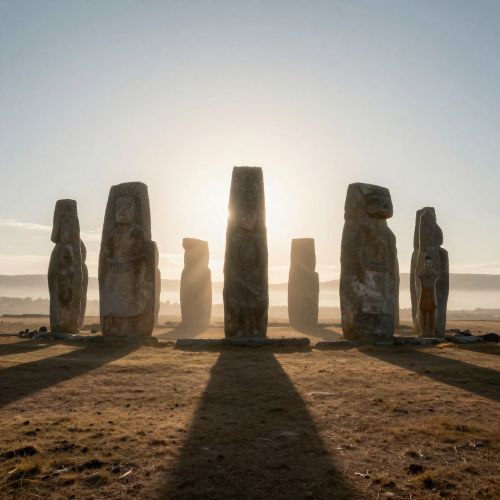
Ancient builders encoded solstice mythology into stone, creating monuments that still testify to the Sun’s sacred status. At Stonehenge, the summer solstice sunrise aligns precisely with the central axis, drawing thousands even today to witness the same spectacle revered millennia ago. The alignment transformed the landscape into a solar temple, reinforcing the Sun’s authority over time.
Even more striking is Newgrange, where the winter solstice sunrise penetrates the burial mound’s inner chamber, illuminating it for only a few precious minutes. This dramatic event symbolized rebirth from darkness, linking death, ancestry, and solar renewal into a single mythic experience.
These structures were not passive observatories. They were ritual engines, designed to make mythology visible and undeniable.
Solstice Gods and Divine Authority
Solar solstice myths often reinforced political and spiritual power. Rulers aligned themselves with the Sun’s cycle, presenting their reigns as reflections of cosmic order. To rule at the solstice was to rule with divine sanction. Festivals, sacrifices, and royal appearances frequently coincided with solstice dates to reaffirm this connection.
Sun deities associated with solstice extremes embodied justice, endurance, and sovereignty. Their annual weakening and strengthening served as reminders that leadership required balance and renewal, not endless dominance.
The Solstice as a Liminal Moment
Like the equinox, the Solar Solstice functioned as a liminal moment, a pause where transformation was possible. Mythology treats solstices as times when worlds touch, when spirits walk freely, and when human action carries heightened consequence. Oaths sworn, fires lit, or rituals neglected during solstice periods were believed to shape the coming months.
This sense of heightened significance explains why solstice traditions persist today, even in secular forms. From seasonal festivals to modern spiritual observances, the ancient intuition remains intact: the Sun’s extremes still matter.
Why the Solar Solstice Endures
The lasting power of the Solar Solstice lies in its emotional clarity. It confronts humanity with extremes of light and darkness, abundance and fear, strength and fragility. Mythology gave language to these experiences, turning astronomical certainty into human meaning.
For Mythlok, the Solar Solstice represents a foundational mythic truth: ancient people did not separate science from story. They understood the Sun through reverence, ritual, and narrative, weaving cosmic cycles into everyday life. Revisiting solstice myths reconnects us to that worldview, reminding us that even in the modern age, we remain shaped by the same rising and setting Sun.

No posts were found.