

10 Types of Shamans Across Cultures and Their Ancient Roles
The Shaman is one of humanity’s oldest spiritual figures, serving as healer, guide, and mediator between the human and spirit realms. Found in nearly every part of the world, shamans are not tied to one religion or culture. Instead, they embody a universal archetype—individuals with the ability to communicate with unseen forces, restore harmony, and guide their communities.
Though their methods vary, shamans share a core purpose: maintaining balance between humans, nature, and the spiritual world. Let’s explore 10 types of shamans from around the globe, each with unique practices that reflect their culture’s worldview.
1. Siberian Shamans – The Roots of the Word
The very word Shaman originates from the Tungusic languages of Siberia. These shamans are often seen as the archetype of the role: wielding drums, costumes decorated with iron charms, and masks to journey between realms. Siberian shamans believe the universe is divided into three worlds—upper, middle, and lower—and they travel between them to heal, guide souls, and bring knowledge back to their people.
2. Amazonian Ayahuasqueros
In the Amazon rainforest, shamans are often called ayahuasqueros due to their use of the sacred brew ayahuasca. These shamans act as doctors, counselors, and spiritual leaders, guiding people through visions induced by the drink. Using songs known as icaros, they navigate the visionary realm and help participants heal from trauma, illness, and spiritual disconnection.
3. Native American Medicine Men and Women
Among Indigenous tribes in North America, shamans are known as medicine men or women, carrying immense respect as healers and wisdom keepers. Their practices involve herbal medicine, sacred ceremonies, sweat lodges, and vision quests. The shaman’s role here extends beyond healing to include storytelling, cultural preservation, and passing on traditions that honor ancestors and nature.
4. Mongolian Böö
In Mongolia, shamans are called böö and play a central role in connecting communities to the spirits of ancestors and nature. They wear elaborate costumes with antlers, mirrors, and flowing ribbons symbolizing their ties to the spirit world. During rituals, böö enter trance states to allow spirits to speak through them, offering guidance on health, weather, or political decisions.
5. Korean Mudang
Korean shamans, or mudang, are often women who serve as intermediaries between humans and spirits. They perform ceremonies called gut, which involve dance, music, and offerings to ensure good fortune, heal illnesses, or appease restless souls. Despite centuries of suppression during Korea’s modernization, mudang still practice today, with some rituals even broadcast on television as cultural heritage.
6. Inuit Angakkuq
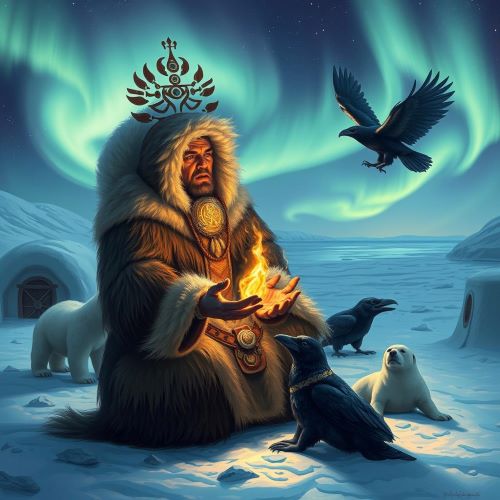
In Arctic regions, the angakkuq is the Inuit shaman who ensures survival in harsh conditions by negotiating with spirits of animals, weather, and the sea goddess Sedna. Angakkuq use drum dances, chants, and trance journeys to restore balance when illness or famine threatens. They are revered not only as healers but as protectors of harmony between humans and the natural environment.
7. African Sangomas
In Southern Africa, sangomas are diviners and healers chosen through ancestral calling. Their initiation often includes intense dreams or illnesses signaling spiritual selection. Sangomas use bone throwing, herbal remedies, and trance states induced by drumming and dance to communicate with ancestors. They play a vital role in resolving conflicts, treating illnesses, and maintaining the ancestral connection within their communities.
8. Sami Noaidi
The noaidi of the Sami people in Northern Europe are shamans who traditionally used drums for divination and spiritual travel. Their cosmology views the drum as a portal to other realms. By striking the drum, noaidi could locate lost objects, heal sickness, or guide hunters. Though suppressed during Christianization, Sami shamanism has seen a revival in modern times as part of cultural preservation.
9. Balinese Balian
In Bali, shamans are known as balian, acting as spiritual healers who bridge the physical and metaphysical worlds. Their healing sessions blend prayer, herbal medicine, trance, and ritual cleansing to remove blockages or negative forces. Unlike some shamanic traditions, balian practices are deeply integrated into Balinese Hinduism, emphasizing cosmic harmony and ritual purification.
10. Andean Curanderos
In the highlands of Peru and Bolivia, shamans called curanderos practice rituals using sacred plants like San Pedro cactus (Huachuma). These shamans are known for ceremonies held outdoors in nature, often at sunrise, where they invoke the spirits of the mountains (apus) and rivers. Their focus is on heart-centered healing, helping people reconnect with nature and themselves.
Conclusion
The figure of the Shaman reveals humanity’s shared spiritual heritage. From Siberian tundras to the Amazon jungle, shamans embody the timeless role of healer, guide, and bridge between the visible and invisible. Each culture’s shamans bring their own methods – drums, herbs, chants, visions – but their ultimate goal remains the same: to restore balance and strengthen the bonds between humans, nature, and the spiritual realm.
Even in today’s fast-paced modern world, shamans remain powerful symbols of resilience, spirituality, and wisdom. Their traditions, adapted and revived across cultures, continue to remind us that healing and harmony are found in reconnecting with the unseen forces around us.
No posts were found.