
Mythological and Cultural Symbols in Casino Game Artwork
Visual styles in gaming shift fast sometimes to the point where it almost feels dizzying but one thing has mostly stuck: mythological and cultural symbols are still found front and centre in the artwork for casino games. Slots, table games, whatever. Designers often reach for those familiar icons, maybe because they help set the mood right away. Zeus’s thunderbolt, a golden scarab… with just a glance, players are pulled into a world that sometimes whispers of allure, sometimes blares out an attraction.
Some studies suggest a link between myth-based themes and making online gameplay feel more approachable, especially as more people join the digital wave. It’s hard to separate that pull from what’s familiar, culturally speaking. This isn’t only about how a game looks, there’s something deeper, a sense that old stories and shared symbols might, just might, be what keep people coming back for more.
Major mythologies and ancient motifs in gaming artwork
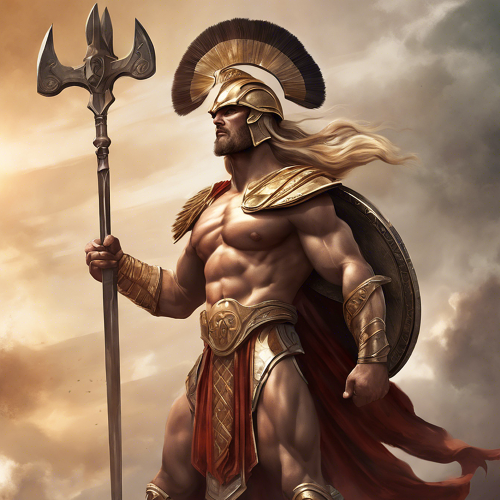
Take a look at many of the online casino slot games and you’ll see a whole lineage of Greek, Norse, and Roman references crowding the reels and backgrounds. Whether it’s Zeus’s lightning bolt or Poseidon’s trident flashing out from behind spinning symbols, the connection is rarely subtle. Norse legends bring in their own flare things like dragon ships, stylized helms, or those long-lost rune stones. Ancient Rome? Think laurel wreaths, those stern marble temples, soldier’s gear, all rendered bold for the player’s eye.
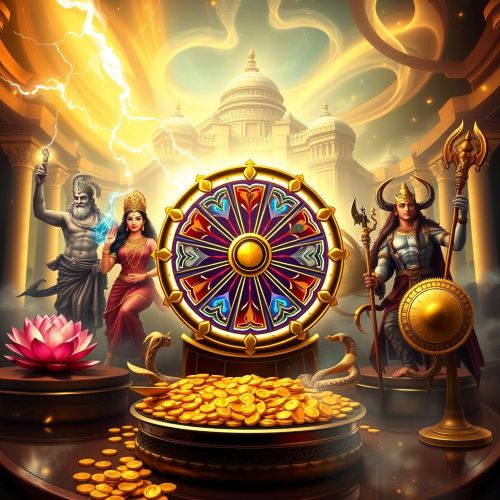
Egypt’s still a massive source of inspiration; it’s tough to picture a game lobby without at least one scarab or Eye of Horus glowing somewhere, anchors of that “mysterious power” vibe. Indian-inspired slots tend to highlight gods like Ganesh or Lakshmi, with bursting color from mandalas and lotus outlines circling in the graphics. These aren’t just fancy trimmings; often, it seems they’re what guide the features and side games, engaging players further into whatever legend is being retold.
Cultural symbols adapted for the online casino audience
Artwork for online platforms has shifted toward clear, bold iconography. Designers adapt symbols to meet the needs of digital interfaces, emphasising clarity and recognition. Ancient icons like the ankh, trident, or mandala are now distilled into simplified digital forms, working seamlessly across mobile and desktop screens. In the context of online casino games, this evolution boosts both playability and market reach.
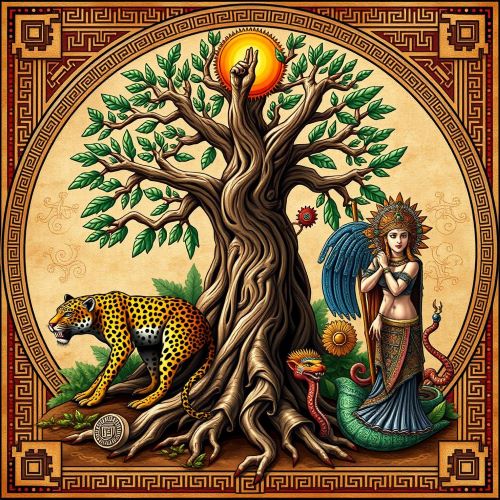
Some people in the field at CDRP Project, for example, suggest this focus on universal imagery is part of why games now cross national boundaries more easily than before. You get odd juxtapositions, like Chinese dragons mingling with Celtic leprechauns or a Diwali lamp one spin, a mermaid the next. This willingness to blend things… well, designers seem to embrace it. The result isn’t set in stone. Myth and heritage get reworked, tweaked, sometimes made just familiar enough to appeal, while still letting new influences slip quietly into the mix.
Purpose of symbol selection and player engagement
Maybe it’s obvious, maybe not: mythological icons tend to work double duty in casino games. On the surface, they’re just quick markers of an instant “you’re in Rome/in Valhalla/in ancient Egypt.” But underneath? There’s a kind of emotional hook. EM Learning’s research points to players associating certain motifs with gold coins for thematic richness, lucky clovers for, well, a sense of wonder with special layers in game play.
These things aren’t just set dressing; in quite a few games, clicking that thunderbolt or ankh does something, triggering a mini activity or letting players engage with a feature that’s framed as part of the old story. Developers, for the most part, rely on this visual language, but it’s also a bit of a risk too much sameness and the spell breaks. Still, consistent use of such motifs seems to tie everything together, giving the universe of each game a sense of shared belonging, though it’s not a flawless trick every time.
Contemporary trends and evolution in digital artwork
If you’ve been around casino games for a while, you might’ve noticed: icons are shrinking, shifting, and blending in odd ways that didn’t really happen ten years ago. Full-on character art has been scaled back as a practical move, perhaps, since tiny symbols handle cross-platform transitions better. According to CDRP Project data, simplification makes localization easier, and mixing motifs isn’t just common, it’s practically expected.
Now you spot Greek coins dropping alongside a lucky cat, maybe even Norse runes swirling past a lotus blossom. This kind of hybrid visual language aims for broad, fast recognition, though not everyone would agree it always hits the mark. Yet, even as things get more modular or abstract, there’s a sense that the roots, the myth, the old traditions aren’t getting tossed aside. They’re still visible in the background, or maybe just below the surface. So, what you see is artwork that feels at once a bit familiar and also, somehow, surprisingly new depending on which game you pick.
Responsible gaming and cultural sensitivity
Let’s be honest, using mythological and cultural symbols can make casino games more exciting, but it’s a move with real risks if you don’t show respect. Playing with someone’s tradition isn’t something to do lightly. Casino games should never exploit cultural motifs in ways that misrepresent or demean their origins. For players, it might help to enjoy the visuals, but maybe keep things in check, know the odds and set some boundaries before you get drawn in.
As online gaming expands globally, designers face growing responsibility to honor cultural icons respectfully. The balance is, at best, delicate. Knowing when to play and when to step back ensures that the enjoyment remains positive for everyone involved. It seems the unique blend of myth, art, and play can only really thrive when everyone’s working with a bit more thoughtfulness at least, that’s the hope.


No posts were found.